Introduction to the Ninja Back Take
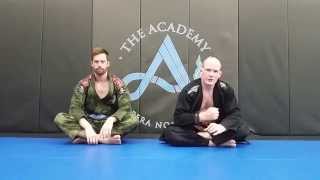
Instructor Mike Bidwell introduces a highly effective back-take technique that exploits a center-line approach rather than traditional lateral entries. This sneaky attack has proven successful in tournament competition and refined through years of practical application.
Starting Position and Initial Setup
The technique begins from turtle position with the instructor controlling the opponent's shoulder and lapel. The knees are elevated to prevent leg attacks while maintaining chest-to-back positioning.
The Center-Line Spin and Neck Control
Rather than attacking to the left or right flank, the instructor executes a rearward body rotation to face the opposite direction. Hands form a V-grip to secure the opponent's neck, creating the foundation for the choke.
Defensive Response to Leg Attacks
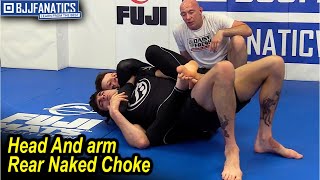
When the opponent attempts to escape by pushing from the floor and reaching for the legs, the instructor pulls the opponent straight back and conceals their feet under the opponent's back. The choke is completed by pulling with the fists while driving the pelvis forward.
Hook Placement and Final Submission
After securing neck control, the instructor establishes leg hooks by pushing off the floor and jumping backward to position both hooks over and under the opponent's hips. The combination of back control with the rear-naked-choke grip completes the submission.
Application from Side Control
The technique transitions effectively from side control when the instructor encounters difficulty pinning the shoulder against larger opponents. As the opponent drives upward to escape, the instructor plants hands, shoots legs back, and executes the same spinning entry to secure the back take.
Defensive Finishing Variations
Whether the opponent attempts to grab the legs or remain balled up, the instructor adapts the finish by either pulling back with the choke or pushing with the feet to jump backward and lock in the hooks. Both variations lead to the final squeeze of the rear-naked-choke.
BJJ After 40 Ninja Back Take + "Evil Ninja Choke" Jiu-Jitsu Black Belt Mike 'Spider Ninja' Bidwell
Key Takeaways
- •Introduction to the Ninja Back Take
- •Starting Position and Initial Setup
- •The Center-Line Spin and Neck Control
- •Defensive Response to Leg Attacks
Mike 'Spider Ninja' Bidwell learned this back take in 1999 from Jean Jacques Machado at an awesome seminar. Jeff Glover calls the choke the "7-year old choke". He calls this the "Evil Ninja Choke" when executed. Trap both arms and apply pressure with the hips. It's not a neck crank - but rather a choke. Enjoy! Be sure to like, share, subscribe, and comment below - where my Ninjas at?! . . Train at home! Get your copy of The HeadHunter, The BoneBreaker and The Leg Strangler at: https://www.jiujitsubrotherhood.com . . Follow us on social media! instagram @BJJAfter40 Facebook BJJ After 40 . . Get your own handcrafted, American made products for Jiu Jitsu, MMA, BJJ, Grappling and Lifestyle from: https://originmaine.com . . Stay on the mats with White Crow Botanicals! Their mission is to create unique and powerful herbal products that rejuvenate and heal the body, while educating and inspire the minds of people through the wisdom of nature. https://whitecrowbotanicals.com . . Experience the pinnacle of quality with APEX CBD products. https://apexhempoil.com
Frequently Asked Questions
What does this video teach about own lapel rear noose choke?
This video covers introduction to the ninja back take, starting position and initial setup, the center-line spin and neck control. It provides detailed instruction from BJJ After Forty.
How long does it take to learn own lapel rear noose choke?
The basic mechanics can be understood in a single session, but developing reliable execution requires consistent drilling over weeks of practice. This 7-part breakdown helps structure your training by isolating each phase of the technique.
What are the key details for finishing own lapel rear noose choke?
The technique transitions effectively from side control when the instructor encounters difficulty pinning the shoulder against larger opponents. As the opponent drives upward to escape, the instructor plants hands, shoots legs back, and executes the same spinning entry to secure the back take.