Rear Naked Choke
The rear naked choke is a fundamental submission originating from judo's hadaka-jime (naked choke), performed without the need for a traditional uniform. The technique involves taking the opponent's back, slipping one arm under the chin, and locking it with the other arm in a figure-four grip. By applying pressure to the carotid arteries, the choke forces unconsciousness within seconds if undefended.
Guillotine Choke
The guillotine is one of the fastest submission finishes in grappling, commonly applied when an opponent shoots for a takedown with exposed head positioning. The technique involves wrapping one arm under the opponent's chin, locking the other hand, then pulling guard or sprawling to apply pressure. The choke compresses the throat and cuts off airflow, forcing rapid submission or unconsciousness.
Arm-in Guillotine
The arm-in guillotine is a more restrictive variation that traps both the opponent's arm and neck simultaneously, making escape significantly more difficult than the standard guillotine. The added shoulder restriction limits opponent mobility and eliminates common defensive options like bridging and rolling. This variation proves particularly effective against powerful wrestlers and aggressive grapplers.
Arm Triangle Choke
The arm triangle, known as katagatame in judo, combines elements of a headlock with an arm trap to restrict blood flow. Performed from side control or mount position, the technique uses the opponent's own shoulder to block circulation while applying downward pressure. The submission is particularly effective against larger opponents or those with limited positional mobility.
Triangle Choke
The triangle choke, derived from judo's sankaku jime, is executed from guard position by locking the legs around the opponent's neck and one arm. Pressure is applied by pulling the head downward while tightening the legs, creating a triangular structure that cuts off circulation. The technique is notable for its simplicity and speed when executed properly.
D'Arce Choke
The D'Arce choke, named after Brazilian jiu-jitsu black belt Joe D'Arce, is an arm triangle variation applied from the front headlock or turtle position rather than dominant top positions. The technique involves threading one arm deep under the opponent's neck and across to the opposite armpit before locking the hands. This positioning makes it particularly effective during scrambles and transitions.
Anaconda Choke
The Anaconda choke is a front headlock arm triangle that traps both the opponent's head and arm, with the grip positioned outside rather than under the opponent's arm. The technique employs a distinctive rolling motion called the gator roll to tighten the submission using body leverage and positioning. Proper execution requires precise control and positioning for maximum effectiveness.
Von Flue Choke
The Von Flue choke serves as a counter to the guillotine, applied when the opponent secures a guillotine from the bottom position. Rather than pulling the head free, the defender passes to side control and applies heavy shoulder pressure onto the opponent's neck while trapping the arm. This technique punishes opponents for maintaining the guillotine grip too long.
Ezekiel Choke
The Ezekiel choke is a versatile submission executable from both mount and guard positions using one arm wrapped around the head while the other grips the gi-sleeve or forearm. In gi Brazilian jiu-jitsu, the sleeve acts as a lever to increase pressure; in no-gi applications, a rear naked choke grip replaces the sleeve grip. The technique's effectiveness derives from proper positioning rather than requiring exceptional strength.
Bulldog Choke
The bulldog choke is an unconventional Brazilian jiu-jitsu submission based on head control principles, applied from the front position rather than from back control like the rear naked choke. The technique creates immense pressure on the neck when executed as an opponent attempts to escape back control. Though rare in competition, proper execution makes the submission nearly impossible to escape.
EVERY MMA Choke Explained in 11 Minutes
Key Takeaways
- •Rear Naked Choke
- •Guillotine Choke
- •Arm-in Guillotine
- •Arm Triangle Choke
From UFC submissions like the rear-naked choke to the guillotine, we're breaking down EVERY chokehold in just 11 minutes! Whether you're a fighter, a fan, or just trying to escape a sibling’s headlock, this video has you covered. Tap in before you tap out! Watch till the end or risk getting choked out by your WiFi. ⌛ Chapters: 00:00 Rear-Naked Choke 00:40 Guillotine 01:17 Arm-in Guillotine 01:50 Arm Triangle 02:31 Triangle Choke 03:08 D'Arce Choke 03:48 Anaconda Choke 04:21 Von Flue Choke 04:50 Ezekiel Choke 05:29 Bulldog Choke 06:00 The Pillory 06:35 Lapel Choke 07:11 Ninja Choke 07:46 Forearm Choke 08:12 North-South Choke 08:43 Scarf-Hold 09:10 Inverted Triangle 09:32 Shoulder Pressure 09:59 Peruvian Necktie 10:26 Front Headlock 11:04 Hand Squeeze 11:33 Question? #MMA #UFC #JiuJitsu #Chokeholds #MMAFunny #FightBreakdown #Submission #TapOrNap #MMAChokes
Related Techniques
Frequently Asked Questions
What does this video teach about choke?
This video covers rear naked choke, guillotine choke, arm-in guillotine. It provides detailed instruction from Canva Made Easy.
How long does it take to learn choke?
The basic mechanics can be understood in a single session, but developing reliable execution requires consistent drilling over weeks of practice. This 10-part breakdown helps structure your training by isolating each phase of the technique.
What are the key details for finishing choke?
The Ezekiel choke is a versatile submission executable from both mount and guard positions using one arm wrapped around the head while the other grips the gi-sleeve or forearm. In gi Brazilian jiu-jitsu, the sleeve acts as a lever to increase pressure; in no-gi applications, a rear naked choke grip replaces the sleeve grip. The technique's effectiveness derives from proper positioning rather than requiring exceptional strength.
Related videos
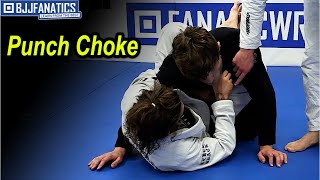
Punch Choke by Heath Pedigo
BJJ Fanatics
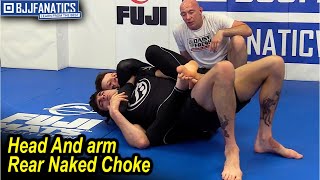
Head And Arm Rear Naked Choke by Heath Pedigo
BJJ Fanatics
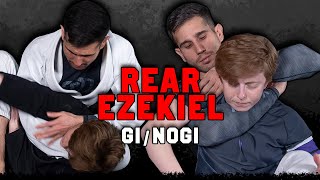
How To Do Rear Ezekiel Choke In Gi & No-Gi
Resenha BJJ
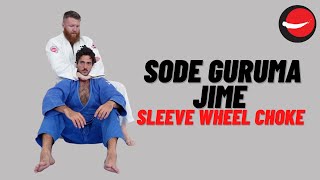
Sode Guruma Jime || Sleeve Wheel Choke
The Judo Way of Life
High Wrist Guillotine Choke Submission in Turtle. Arm In, High Elbow, Side Control, Mount, Butterfly
Pica Pau Jiu Jitsu & Grappling