Tate Shiho Gatame Foundation
The instructor demonstrates the foundational Tate Shiho Gatame (high mount) position, establishing proper posting mechanics to secure the opponent on their back. This stable base is essential before transitioning to the arm lock combination.
Transition to Ude Garami Setup
From the mounted position, the instructor shows the critical sliding motion across the opponent's body to initiate the Ude Garami (arm lock). Proper weight distribution and hand placement during this transition are essential for maintaining control.
Osakomi Pin Objective
In judo competition, the primary objective is to hold the opponent predominantly on their back or side for 20 seconds to score a pin. Understanding this timing requirement shapes the strategy and positioning throughout the technique.
Technique Variations
Multiple variations of this combination exist and will be explored throughout the session. Each variation builds on the fundamental mechanics of the basic sequence while adapting to different opponent responses.
Strategic Posting for Stability
The instructor emphasizes deliberate posting of the non-working leg to establish a stable base before executing the arm lock. This posting position directly enables smooth transition into the submission technique.
Head Control and Arm Sequencing
Maintaining head control blocks the opponent's arm in place until the practitioner secures wrist control. Only after establishing wrist dominance should the head be released, ensuring the arm cannot escape during the lock application.
Minimizing Lift Height
When crossing the opponent's face with the arm, the movement should be slight and controlled rather than an exaggerated lift. Excessive elevation creates escape opportunities and compromises the efficiency of the setup.
Weight Distribution During Transition
As the arm lock is applied, the instructor shifts weight from one posting leg to the other to maintain positional control. This weight management allows the technique to flow seamlessly while keeping the opponent immobilized.
Dual Purpose: Time Hold and Submission Setup
While holding for the required 20-second pin, the practitioner simultaneously controls the opponent's body positioning to set up the submission technique. This strategic approach maximizes scoring opportunities in both judo and sambo rulesets.
Execution Summary
The complete sequence maintains continuous contact with the opponent while transitioning from mount control through arm lock application. Success requires either securing a 20-second pin or forcing the opponent to submit to the Ude Garami.
TATE SHIHO GATAME TO UDE GARAMI Pin and Armlock
Key Takeaways
- •Tate Shiho Gatame Foundation
- •Transition to Ude Garami Setup
- •Osakomi Pin Objective
- •Technique Variations
This video shows how to apply Tate Shiho Gatame (vertical 4 Corner Hold) and finish your opponent with Ude Garami (Arm Entanglement). #judo #udegarami #judo Welcome Mat Steve Scott YouTube Channel. Go to http://www.ymaa.com/ to get Steve Scott's books. Visit our web sites at http://www.welcomematjudoclub.com/ and http://www.judoblackbelt.com/ Join the Steve Scott Training Group on Facebook at https://www.facebook.com/groups/1094841137237608/ Comments are moderated. Please keep your comments on topic and think before posting them. Our videos are all original material and are copyrighted. Reproduction or showing these videos without the specific permission of Steve Scott is prohibited.
Frequently Asked Questions
What does this video teach about hiza-gatame from standing?
This video covers tate shiho gatame foundation, transition to ude garami setup, osakomi pin objective. It provides detailed instruction from welcomematstevescott.
How long does it take to learn hiza-gatame from standing?
The basic mechanics can be understood in a single session, but developing reliable execution requires consistent drilling over weeks of practice. This 10-part breakdown helps structure your training by isolating each phase of the technique.
What are the key details for finishing hiza-gatame from standing?
While holding for the required 20-second pin, the practitioner simultaneously controls the opponent's body positioning to set up the submission technique. This strategic approach maximizes scoring opportunities in both judo and sambo rulesets.
Related videos
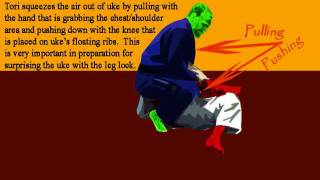
Jujitsu waza - Yoko shiho gatame to Hiza hishigi juji gatame
Gene Silverstrand
Katame Waza || Grappling Techniques - 32 Holds, Strangles/Chokes and Armlocks
The Judo Way of Life
Waki Gatame - when and how to use it.
Robert Silas (Aiki_and_Jiu)
Waki Gatame into Ura Oni Kudaki - Yossi Sheriff in Madrid
AKBAN Ninjutsu – Yossi Sheriff

9 Standing Arm Locks (BREAKS) in Jiu-Jitsu #jujitsu #armlock
TRITAC Martial Arts