Setup from Kimura Grip
The scissor choke is most effectively established from a kimura grip position. This grip provides superior positional stability and creates multiple offensive options. The instructor typically secures this grip immediately after passing the guard.
Transition When Kimura Fails
When the opponent successfully defends against the kimura attempt, the scissor choke becomes an effective alternative. This transition is initiated when the opponent's arms are engaged in defense but the neck remains exposed. Maintaining a tight grip and heavy chest pressure on the opponent's arm is essential during this transition.
Initial Leg Placement
The near-side knee slides underneath the opponent's head to create a base for the submission. The top leg simultaneously follows the hip movement and crosses over the opponent's body. Proper hip positioning during this movement ensures maximum control and pressure application.
Securing the Choke Position
The top foot locks beneath the bottom foot to create a solid leg triangle configuration. The knee's inner tendon is positioned directly under the opponent's chin. Hip extension and rotation toward belly-down creates the finishing pressure for the submission.
Adjusting When Chin is Hidden
If the opponent successfully tucks their chin, the knee tendon can be used to rake and elevate the chin into a vulnerable position. This ratcheting motion creates space for proper choke positioning. Once the chin clears, standard hip rotation completes the submission.
Countering Explosive Bridge Escapes
When the opponent bridges explosively to reverse position, the instructor flows with the momentum rather than resisting. As the opponent moves on top, the scissor legs are immediately repositioned and locked. Hip rotation and leg squeeze are applied as the opponent completes their bridge escape attempt.
Maintaining the Kimura Grip Priority
The kimura grip must be maintained throughout the submission attempt to prevent the opponent from escaping to top position. This grip keeps the opponent's wrist pressed against their own body, preventing elbow escape. Grip integrity directly determines whether the choke can be finished without surrendering positional advantage.
Position Retention When Choke Stalls
If the opponent resists the choke and avoids submission, the legs can be disengaged and repositioned behind the instructor. This movement returns top position control without conceding any tactical advantage. The instructor can immediately re-establish the choke attempt or exploit other submission opportunities.
Exploiting Grip Distraction for Finish
While attacking the choke, the opponent often relaxes their kimura grip defense due to submission focus. The instructor can incrementally advance the kimura grip by inching the opponent's hand across their body. This regained grip control allows rapid top position establishment and enables quick submission finishing sequences.
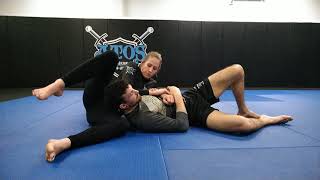
Scissor Choke Tutorial by Nikki Sullivan
Key Takeaways
- •Setup from Kimura Grip
- •Transition When Kimura Fails
- •Initial Leg Placement
- •Securing the Choke Position
I hit this choke back at EBI 12 and it can be pretty sneaky when your opponent's focused on defending the kimura. Check it out! Let me know what you think.
Frequently Asked Questions
What does this video teach about headscissors?
This video covers setup from kimura grip, transition when kimura fails, initial leg placement. It provides detailed instruction from nicsulli.
How long does it take to learn headscissors?
The basic mechanics can be understood in a single session, but developing reliable execution requires consistent drilling over weeks of practice. This 9-part breakdown helps structure your training by isolating each phase of the technique.
What are the key details for finishing headscissors?
If the opponent resists the choke and avoids submission, the legs can be disengaged and repositioned behind the instructor. This movement returns top position control without conceding any tactical advantage. The instructor can immediately re-establish the choke attempt or exploit other submission opportunities.
Related videos

29-11 Essential Armbar Variations: Step-by-Step Judo Instruction
Female Judo
FALLON gets SUBMITTED by two girls 👯♀️| with beginner tips and narration
Fallon Fratone
Reverse Headscissors - NAGA Grappling Competition Classic
Judo Queens Only
MUST SEE Head Scissor Choke
Brandon Quick
Scissor Choke Tutorial by Nikki Sullivan
nicsulli