Historical Context: Guards in Longsword Tradition
Late medieval sources typically identify four primary guards: Fool, Plow, Ox, and Day. These fundamental positions persisted through the Renaissance and into Joachim Meyer's 1570 manuscript, which expanded the system to 14 total guards—four primary and ten supplementary positions that function as both starting positions and transitional endpoints.
Meyer's Pedagogical Approach to Guard Structure
Meyer's system differs fundamentally from earlier medieval treatises by organizing techniques around specific guards rather than individual techniques. Rather than explaining a single strike through all its applications, Meyer demonstrates multiple fencing concepts and applications from each guard position, providing a structured framework for understanding combat strategy.
Upper Guard (Oberhut): Foundational Offensive Position
The sword is positioned directly above the head without exception. From this guard, all principal strikes and twere strikes execute effectively. Meyer recommends the Upper Guard as a primary fencing position more frequently than the popular Plow guard used in contemporary practice.
Ox Guard (Ochs): Balanced Threat and Defense
The point is directed toward the opponent's face, creating persistent thrust threat while protecting the head. The Ox accommodates all primary strikes, twere strikes, and thrusts equally well. This guard serves as a common reactive position when engagement occurs at medium distance.
Plow Guard (Pflug): Universal Versatility
The Plow excels as a modern sparring guard, combining offensive and defensive capability. Primary threats from this position include rapid thrusts and cuts to the hands and arms, while its low position facilitates quick parries and counter-attacks.
Fool's Guard (Alber): Deceptive Low Position
This position invites high attacks from opponents, which the fencer then parries with upward strikes using the long or short edge. While opponents may initially exploit the apparent opening, experienced practitioners use this guard as a tactical trap that discourages continued aggressive attempts.
Wrathful Guard (Zornhut): Dynamic Transition
Named for its aggressive appearance, this guard generates powerful strikes and functions primarily as a dynamic transitional posture rather than a static end position. When an opponent commits to a head strike, the fencer shifts nimbly to intercept with the hilt.
Key Guard (Schlüssel): Strategic Guard-Breaking
The Key's central thrusts force opponents to react and abandon their defensive positions. Success occurs not solely through landing strikes but through disrupting the opponent's guard and creating openings for follow-up actions.
Iron Gate (Eisenport): Primary Defensive Position
Positioned with the blade above the knee and point directed forward, the Iron Gate functions primarily as a protective guard. This position appears across multiple weapon systems, including Meyer's rapier section, establishing its fundamental defensive value.
Learn the Art of Combat: Longsword Guards - Beginners Guide
Key Takeaways
- •Historical Context: Guards in Longsword Tradition
- •Meyer's Pedagogical Approach to Guard Structure
- •Upper Guard (Oberhut): Foundational Offensive Position
- •Ox Guard (Ochs): Balanced Threat and Defense
Knowing the guards in the long sword, knowing which techniques and concepts to apply from each posture, and being able to make our fencing dynamic and intuitive. 0:27 Intro (What is a guard?) 2:34 Upper Guard (Vom Tag) 3:12 Ox (Ochs) 4:00 Plow (Pflug) 4:44 Fool (Alber) 5:31 Wrath Guard (Zornhut) 6:20 Change Guard (Wechsel) 7:16 Side Guard (Nebenhut) 7:54 Unicorn (Eynhorn) 8:30 Key (Schlüssel) 9:14 Hanging Point (Hangetort) 9:55 Iron Gate (Eysenport) 11:12 Middle Guard (MIttelhut) 12:00 Longpoint (Langenort) 12:58 Break Window (Brechfenster)
Related Techniques
Frequently Asked Questions
What does this video teach about seconda guard?
This video covers historical context: guards in longsword tradition, meyer's pedagogical approach to guard structure, upper guard (oberhut): foundational offensive position. It provides detailed instruction from Björn Rüther.
How long does it take to learn seconda guard?
The basic mechanics can be understood in a single session, but developing reliable execution requires consistent drilling over weeks of practice. This 9-part breakdown helps structure your training by isolating each phase of the technique.
What are the key details for finishing seconda guard?
The Key's central thrusts force opponents to react and abandon their defensive positions. Success occurs not solely through landing strikes but through disrupting the opponent's guard and creating openings for follow-up actions.
Related videos

How to Use a Two-Handed Battle Axe
Skallagrim

2 Knives fighting techniques
Kali Center
10 Solo Rapier Drills in 5 minutes
Blood and Iron HEMA
Learn to fight with the Greatsword! A tutorial on Figueyredo's simple rules 1-16
Virtual Fechtschule
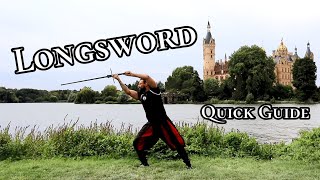
Learn the Art of Combat: Longsword Guards - Beginners Guide
Björn Rüther