Introduction to Sukui Nage
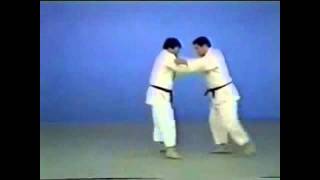
Sukui nage is a sweeping throw technique in judo that utilizes a scooping motion beneath the opponent's center of gravity. The technique is also known as te guruma, emphasizing the hand and arm mechanics central to its execution. This throw is effective against opponents who maintain an upright posture or commit their weight forward.
Grip and Initial Setup
The thrower establishes control by securing a firm grip on the opponent's sleeve and collar or torso. Proper positioning requires the thrower to move slightly to the side and beneath the opponent's balance point. The feet should be positioned to allow for explosive hip and leg drive during the throwing motion.
Loading and Scooping Motion
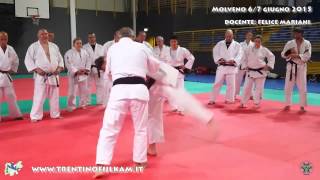
As the thrower lowers their center of gravity, they execute a scooping motion with their arm, moving beneath the opponent's body. The scooping arm reaches under the opponent's thighs or hips while maintaining grip control with the other hand. This creates the characteristic sweeping arc that defines sukui nage.
Hip Drive and Elevation
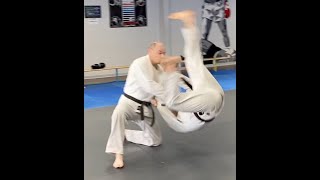
The thrower drives upward and forward using their hips and legs, lifting the opponent off the ground in a scooping motion. This upward drive is coordinated with the arm's sweeping action to create rotational momentum. The opponent's body is elevated and rotated as they are transferred over the thrower's hips.
Completion and Landing Control
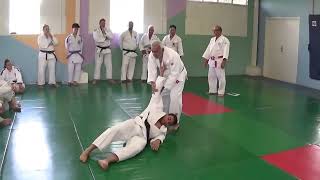
The throw is completed by extending through the hips and arms, projecting the opponent over the thrower's body to the mat. Proper weight distribution and follow-through ensure maximum throwing force and control throughout the technique. The thrower maintains connection to guide the opponent's landing safely.
Sukui nage - Te guruma
Key Takeaways
- •Introduction to Sukui Nage
- •Grip and Initial Setup
- •Loading and Scooping Motion
- •Hip Drive and Elevation
Sukui Nage (scoop throw) is not legal in international judo competitions under the current IJF (International Judo Federation) rules. Since the 2010 rule changes, techniques involving direct grabbing or lifting below the belt, like Sukui Nage, are considered violations . These rules aim to promote upright judo and reduce reliance on techniques resembling wrestling or sambo. However, Sukui Nage is still practiced in traditional judo settings and may be allowed in non-IJF competitions or as a defensive move during transitions. The International Judo Federation (IJF) has not yet announced any confirmed changes regarding the reintroduction of leg-grabbing techniques like Sukui Nage. However, the Kodokan Institute and the All Japan Judo Federation (AJJF) have introduced new rules for competitions in Japan allowing certain leg grabs under strict conditions. These changes are designed to integrate leg-grabbing techniques, such as Sukui Nage, within traditional judo principles. For instance, leg grabs may be permitted when part of a combination or after establishing a grip on the opponent's upper body. The 2025 All Japan Judo Championship will test these adjustments, but there is no confirmation if or when the IJF will adopt these rules internationally Te Guruma and Sukui Nage are similar in that they both involve lifting and throwing the opponent using a scooping motion, but they are distinct techniques with differences in execution: The main difference is in the grip and how the throw is executed. Te Guruma involves a leg grab and upper body grip, while Sukui Nage uses a double-arm scooping action without isolating a leg. Both techniques were impacted by the IJF's leg-grabbing restrictions but remain significant in classical judo and some competition formats. Music Song: Solstice Music by: CreatorMix.com
Related Techniques
Frequently Asked Questions
What does this video teach about sukui nage?
This video covers introduction to sukui nage, grip and initial setup, loading and scooping motion. It provides detailed instruction from Aris judo Club.
How long does it take to learn sukui nage?
The basic mechanics can be understood in a single session, but developing reliable execution requires consistent drilling over weeks of practice. This 5-part breakdown helps structure your training by isolating each phase of the technique.
What are the key details for finishing sukui nage?
The thrower drives upward and forward using their hips and legs, lifting the opponent off the ground in a scooping motion. This upward drive is coordinated with the arm's sweeping action to create rotational momentum. The opponent's body is elevated and rotated as they are transferred over the thrower's hips.