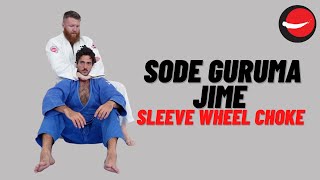
Introduction to Sode Guruma Jime
The sleeve wheel choke, known as Sode Guruma Jime in judo and Ezekiel in Brazilian Jiu-Jitsu, is a precision-based strangulation technique with numerous applications across grappling disciplines. This ancient choke functions effectively both with and without a gi, making it a versatile tool in any grappler's arsenal.
Fundamental Mechanics from Standing Position
The technique begins with neck control while gripping one's own sleeve with the fingers or thumb. The second hand forms a blade, targeting the sternomastoid muscle on the opposite side of the neck. By pushing this muscle out of the way and turning the wrist inward, the practitioner creates pressure on the carotid artery to complete the choke.
Mount Position Setup and Head Control
From a low mount position, proper body mechanics are essential: knees should squeeze for control while feet hook under the opponent's buttocks. The practitioner must maintain the opponent's head elevated off the mat, as allowing head contact enables a bridge escape. This positioning creates optimal mechanical advantage for executing the choke.
Sleeve Grip Execution and Weight Distribution
The practitioner grabs their own sleeve and drives their full body weight forward, using chest pressure against the hand as it slides upward across the opponent's neck. If the opponent prevents access to one's own sleeve, gripping the opponent's sleeve instead remains equally effective. The weight transfer amplifies choking pressure significantly.
Defensive Responses and Sleeve Alternatives
When the opponent defends by blocking the hand's path across their body, the practitioner can adapt by gripping the opponent's sleeve instead. The blade hand curls the knuckles inward while keeping the back fingers extended, pushing the sternomastoid muscle away to access the carotid. The opponent's defensive pressure paradoxically helps finish the choke.
Finishing from Compromised Positions
If the opponent successfully reverses position during the choke attempt, the technique remains viable from the bottom position. Breaking the opponent's balance through foot hooks and leg straightening creates the leverage needed to complete the choke despite positional disadvantage. Balance disruption proves critical for finishing submissions when initial pressure proves insufficient.
Defense Against Mounted Opponent
When defending against a mounted opponent attempting the same choke, positioning an arm inside the opponent's control creates opportunities for reversal. By grabbing one's own sleeve with the inside arm and raising upward, the bottom player generates superior leverage compared to the mounted attacker. This positioning often leads to a successful reversal or choke finish from underneath.
Application from Side Control (Scarf Hold)
The sleeve wheel choke transitions naturally from the scarf hold position since one hand already encircles the opponent's neck. In Brazilian Jiu-Jitsu, maintaining a high knee position provides better finishing leverage than a lowered knee. The practitioner should first address the opponent's defensive arm before committing fully to the choke.
Managing Arm Bar Defense and Finishing Options
As the opponent tucks their arm to prevent an arm bar attack, their reduced defensive capability makes the sleeve wheel choke more accessible. When the opponent protects their neck by tucking their chin, the practitioner can attack from either side depending on head position. Multiple angles of attack ensure the choke remains viable despite strong defensive effort.
Final Defensive Adaptations and Kimura Implications
Should the opponent bring their hand across their body seeking additional defense, this action creates a Kimura shoulder lock opportunity, discouraging further defensive resistance. The sleeve wheel choke's adaptability across multiple defensive positions makes it an essential high-percentage submission for serious grapplers in both gi and no-gi contexts.
Sode Guruma Jime (Sleeve Wheel Choke)
Key Takeaways
- •Introduction to Sode Guruma Jime
- •Fundamental Mechanics from Standing Position
- •Mount Position Setup and Head Control
- •Sleeve Grip Execution and Weight Distribution
Mark Gilston, 4th degree judo black belt, discusses and demonstrates applications of Sode Guruma Jime, also known as the "Ezekial choke" and for judo and BJJ.
Frequently Asked Questions
What does this video teach about sleeve wheel choke?
This video covers introduction to sode guruma jime, fundamental mechanics from standing position, mount position setup and head control. It provides detailed instruction from Seiryoku Zenyo.
How long does it take to learn sleeve wheel choke?
The basic mechanics can be understood in a single session, but developing reliable execution requires consistent drilling over weeks of practice. This 10-part breakdown helps structure your training by isolating each phase of the technique.
What are the key details for finishing sleeve wheel choke?
As the opponent tucks their arm to prevent an arm bar attack, their reduced defensive capability makes the sleeve wheel choke more accessible. When the opponent protects their neck by tucking their chin, the practitioner can attack from either side depending on head position. Multiple angles of attack ensure the choke remains viable despite strong defensive effort.