Introduction to Kesa Gatame
Kesa gatame, also known as scarf hold, is a fundamental ground control position that many practitioners overlook in their training. This instructional segment addresses the importance of mastering proper holding mechanics rather than relying on superficial techniques.
Anatomical Position Setup
The foundational kesa gatame position requires the instructor to place one arm underneath the opponent's head while gripping the gi, with the other arm controlling the opponent's elbow. The armpit secures the opponent's hand, creating a complete control structure from head to arm.
Foot Placement and Base
Proper foot positioning is critical for preventing escape attempts. The near foot acts as a base to prevent the opponent from bridging in that direction, while the far foot maintains a controlled distance to prevent the opponent from establishing half guard. Both feet must remain grounded to maintain stability.
Weight Distribution on Weak Points
Rather than applying weight to the opponent's strongest area—the sternum—the practitioner should position their body weight across the weaker lateral rib section. This strategic weight placement creates maximum discomfort while maintaining control.
Common Error: Elevated Foot Position
Raising the near foot creates two critical problems: it compromises the base and forces the body into a pushing direction that the opponent can exploit. An elevated foot allows the opponent to trap the controlling arm and bridge to escape.
Common Error: Excessive Head Pressure
Pulling aggressively on the opponent's head provides discomfort but no submission pathway and creates vulnerability. This positioning allows the opponent to cut the face with their leg and create space to escape.
Head Position and Body Alignment
Positioning the head too far forward shifts body weight excessively in that direction, assisting the opponent's bridging attempts and potentially allowing them to escape the controlled arm. The head must remain properly centered over the hips.
Foot Spacing and Bridge Prevention
Feet should be evenly spaced to create optimal base stability. If the far foot retreats too far back, the opponent gains half guard; if positioned incorrectly, the holding arm must release to prevent bridge escapes. This forces the practitioner to choose between control and positional security.
Gripping Technique for Consistent Control
Rather than gripping the opponent's gi, the practitioner should grasp their own leg to maintain forward foot positioning and prevent head elevation. This self-grip prevents power loss from bridging while keeping the opponent's head controlled without excessive pressure.
Dynamic Adjustment and Opponent Responsiveness
Holding a successful kesa gatame requires constant micro-adjustments based on the opponent's movements rather than static positioning. When the opponent attempts to sit up, the practitioner pulls the head down to counterbalance; when attempting to bridge in any direction, the practitioner adjusts hip and head position accordingly.
Kesa gatame - in depth instruction by Matt D’Aquino
Key Takeaways
- •Introduction to Kesa Gatame
- •Anatomical Position Setup
- •Foot Placement and Base
- •Weight Distribution on Weak Points
Kesa gatame is a super common hold down in Judo, but it is often taught wrong. In this video I show you how to hold your opponent in kesa gatame. NEW VIDEOS EVERY MONDAY!! So don't forget to subscribe: https://youtube.com/user/beyondgrappling?sub_confirmation=1 Have any questions? Want me to film a video? Then leave a comment and ill do my best to answer it. Who am I? I am a 2008 Beijing Judo Olympian, 4th degree Judo black belt and BJJ Black belt under Felipe Grez ⬇⬇⬇𝗦𝗢𝗖𝗜𝗔𝗟 𝗠𝗘𝗗𝗜𝗔⬇⬇⬇ ●YouTube: https://youtube.com/user/beyondgrappling?sub_confirmation=1 ●Facebook: https://facebook.com/beyondgrappling ●Twitter: https://twitter.com/beyondgrappling ●Instagram: https://www.instagram.com/beyondgrappling/ ⬇⬇⬇𝗥𝗘𝗦𝗢𝗨𝗥𝗖𝗘𝗦⬇⬇⬇ Website: https://www.beyondgrappling.com Online Coaching: https://www.universityofjudo.com Store: https://beyondgrapplingstore.com/ BJJ Fanatics: https://bjjfanatics.com/collections/all/fighter_matt-daquino Judo Fanatics: https://judofanatics.com/collections/all/fighter_matt-daquino Amazon: https://www.amazon.com/Matt-DAquino/e/B00NDUBHGU #kesagatame #judotutorials #beyondgrappling #universityofjudo.com #mattdaquino #judovideos #judothrows #competitionjudo
Related Techniques
Frequently Asked Questions
What does this video teach about standard kesa gatame?
This video covers introduction to kesa gatame, anatomical position setup, foot placement and base. It provides detailed instruction from BeyondGrappling.
How long does it take to learn standard kesa gatame?
The basic mechanics can be understood in a single session, but developing reliable execution requires consistent drilling over weeks of practice. This 10-part breakdown helps structure your training by isolating each phase of the technique.
What are the key details for finishing standard kesa gatame?
Rather than gripping the opponent's gi, the practitioner should grasp their own leg to maintain forward foot positioning and prevent head elevation. This self-grip prevents power loss from bridging while keeping the opponent's head controlled without excessive pressure.
Related videos
Kesa Gatame Submissions - How to get into kesa gatame and 10 different submissions - BJJ tutorials
Grappling Nerds
Reverse Scarf Hold - aka twister side control or ushiro kesa gatame
RGA South Herts
Kuzure-Kesa-Gatame Tips | Riki Judo Dojo
Riki Judo Dojo
Escaping Reverse Kesa Gatame (Reverse Judo Control) | Jiu-Jitsu Class (Part 1)
Knots and Collar
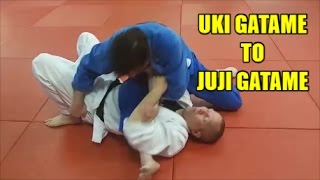
UKI GATAME TO JUJI GATAME
welcomematstevescott