Establishing Inside Position
The practitioner secures an inside position on the opponent's arm while maintaining control. Head positioning is critical at this stage to prevent the opponent from initiating a takedown attempt. This foundational control prevents the opponent from shooting and sets up the subsequent technique.
Reading Opponent Intent
The instructor emphasizes monitoring the opponent's head level as an indicator of shooting attempts. Anticipating this movement allows the practitioner to maintain dominance and prevent the takedown. Staying prepared for underneath attacks ensures the position remains secure.
Maintaining Head Control
Proper head positioning is reinforced as essential to controlling the opponent's base and preventing escapes. The practitioner keeps steady pressure while monitoring for any shift in opponent movement. This control is the foundation for transitioning into the invisible collar grip.
Top Pressure and Base Management
The practitioner maintains dominant top control with consistent pressure throughout the exchange. Base switching techniques can be employed if the opponent attempts a Kimura attack. Staying grounded and controlled prevents the opponent from creating space for escapes or counterattacks.
Setting Up the Invisible Collar
The instructor directs the practitioner to settle and establish proper positioning for the invisible collar grip. This setup requires precise hand placement and head control to execute effectively. The technique bridges the rubber guard position into the collar control needed for the armbar.
Executing the Armbar Transition
With the invisible collar secured, the practitioner transitions into the armbar by controlling the opponent's arm and head simultaneously. The setup requires maintaining pressure while rotating the hips to complete the submission. This seamless transition from collar control to armbar exemplifies the integrated flow of the technique sequence.
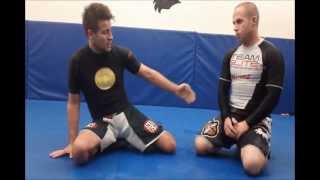
Rubber guard to invisible collar to arm bar
Key Takeaways
- •Establishing Inside Position
- •Reading Opponent Intent
- •Maintaining Head Control
- •Top Pressure and Base Management
Grappling idiots Nov 23, 2019 Hug your knee and squeeze the knees (learn to pack using that bottom side leg) then be ready for the omoplata roll🤙🏽 Rene Sousa vs Freddy Araque
Related Techniques
Frequently Asked Questions
What does this video teach about invisible collar?
This video covers establishing inside position, reading opponent intent, maintaining head control. It provides detailed instruction from Mats to Markets.
How long does it take to learn invisible collar?
The basic mechanics can be understood in a single session, but developing reliable execution requires consistent drilling over weeks of practice. This 6-part breakdown helps structure your training by isolating each phase of the technique.
What are the key details for finishing invisible collar?
The instructor directs the practitioner to settle and establish proper positioning for the invisible collar grip. This setup requires precise hand placement and head control to execute effectively. The technique bridges the rubber guard position into the collar control needed for the armbar.
Related videos
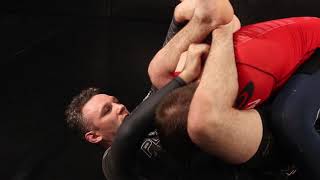
Advanced Rubber Guard: Muddy Waters
Superhero Jiu Jitsu Academy
BJJ Kids Mixed Martial Arts - Brazilian Jiu-Jitsu Kids BJJ New Jersey
billscottbjj
BJJ vs. Sambo 2-21-08 New York City
valentineu
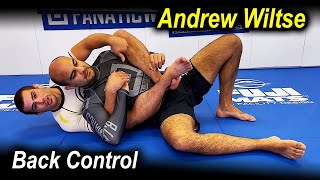
Understanding The Jiu Jitsu Back Control by Andrew Wiltse
Bernardo Faria BJJ Fanatics
WWW.BJJONLINE.NET- No-Gi- Dog Fight Position Counter - The Leash
Tony Pacenski