Introduction to the Jailbreak
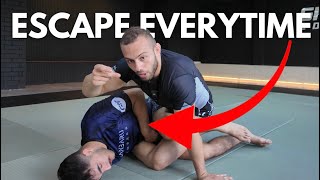
The jailbreak is a fundamental guard recovery technique popularized by 10th Planet Jiu-Jitsu founder Eddie Bravo. This escape is particularly effective against larger opponents and provides a reliable method to regain guard position from side control. The instructor presents an accessible variation designed for practitioners with limited flexibility.
Establishing Base and Creating Space
The foundation of the jailbreak relies on fundamental positioning: the bridge and shrimp. The practitioner must first execute a powerful bridge, driving the toes into the opponent's hips to generate space. This initial movement creates the necessary separation to slip the upper arm underneath the opponent's body.
Securing the First Butterfly Hook
After creating space, the practitioner reaches down between the legs and grabs their own toes rather than the ankle. The foot closest to the opponent's head is selected, and the toes are placed into the opponent's thigh to establish the first butterfly hook. Maintaining a flexed foot ensures proper hook placement and prevents the opponent from controlling the leg.
Pummeling and Framing
With the first hook secured, the bottom hand pummels through to the opponent's hip, keeping the wrist low rather than driving the entire elbow through. This framing motion creates discomfort for the opponent and prevents them from maintaining heavy pressure. The three-point contact system—two wrists and one foot—is now established.
Shrimping to Guard Position
Using the three-point contact, the practitioner plants the bottom foot and shrimps the hips outward repeatedly until the second knee slides into position. This motion requires multiple attempts against strong resistance. Once both shins are positioned on the inside of the opponent's thighs, the practitioner achieves butterfly guard.
Common Mistakes and Corrections
A critical error is bridging toward the opponent's head, which exposes the back and creates vulnerability to armbar submissions. The practitioner must always bridge laterally toward the opponent's body. Additionally, gripping the toes rather than the ankle provides superior dexterity and flexibility for proper hook placement.
Progression and Follow-up Options
Once butterfly guard is established, the practitioner can execute multiple offensive techniques including clinches, overbooks, underhooks, and chin strap submissions. From this position, the practitioner can square up, execute kicks, sit up on the overhook, or transition to more advanced rubber guard techniques. The butterfly guard with overhook represents the most reliable position for continuing the exchange.
Nogi Hacks Ep. 9 - Jail Break
Key Takeaways
- •Introduction to the Jailbreak
- •Establishing Base and Creating Space
- •Securing the First Butterfly Hook
- •Pummeling and Framing
Welcome to another episode of NOGI Hacks. If you found this video helpful, please like & subscribe. Find Us Andrew Murillo Instagram: https://www.instagram.com/drewjitsu10p/ Facebook: https://www.facebook.com/andrewmurillo.la 10th Planet Murrieta Instagram: https://www.instagram.com/10p_murrieta/ Facebook: https://www.facebook.com/10pmurrieta/ Website: https://10thplanetjjmurrieta.com NOGI Hacks Instagram: https://www.instagram.com/nogihacks/ Facebook:
Frequently Asked Questions
What does this video teach about standard jailbreak?
This video covers introduction to the jailbreak, establishing base and creating space, securing the first butterfly hook. It provides detailed instruction from Nogi Hacks.
How long does it take to learn standard jailbreak?
The basic mechanics can be understood in a single session, but developing reliable execution requires consistent drilling over weeks of practice. This 7-part breakdown helps structure your training by isolating each phase of the technique.
What are the key details for finishing standard jailbreak?
A critical error is bridging toward the opponent's head, which exposes the back and creates vulnerability to armbar submissions. The practitioner must always bridge laterally toward the opponent's body. Additionally, gripping the toes rather than the ankle provides superior dexterity and flexibility for proper hook placement.
![[TF2 Jailbreak] The Golden Escape](https://img.youtube.com/vi/WS9J5ckgSr4/mqdefault.jpg)