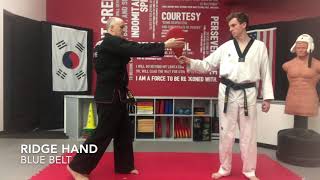
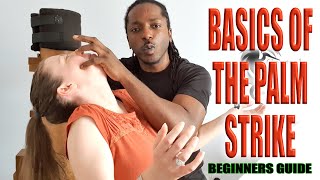
Introduction to Palm Strike Fundamentals
The palm strike is a foundational combative technique executed with the palm heel—the fleshy base of the hand just above the wrist. This striking surface provides a durable, effective impact tool that differs fundamentally from traditional punch mechanics.
Proper Striking Surface Identification
The striking surface consists of the palm heel and the meaty portion at the base of the hand, positioned directly in front of the wrist. This concentrated impact area delivers force more efficiently than dispersed palm contact and reduces injury risk to the striker.
Hand Position and Finger Alignment
The hand extends from the guard with fingers grouped tightly together and slightly tensioned—neither hyper-extended nor fully relaxed. This finger positioning ensures that impact distributes across the entire palm rather than concentrating force on individual fingers, preventing injury during contact.
Body Mechanics and Rotational Power
The palm strike incorporates hip and torso rotation similar to punch mechanics, with the hand angled at approximately 70-80 degrees rather than a full 90-degree extension. This rotation generates power while maintaining proper structural alignment throughout the strike.
Versatility: Attack vs. Push Applications
The palm strike functions as both an offensive striking tool and a defensive pushing mechanism. At punching distance, it operates as an impact strike; at clinching distance, it becomes a controlling post to create separation and positioning.
Close-Range Defense and Chin Placement
When deployed at grappling distance, the palm strike executes as a stiff-arm post, with hand placement directed under the chin or between the nose and upper lip. This technique generates immediate separation while allowing the defender to transition to follow-up combatives.
Adding Torque for Impact Enhancement
Incorporating rotational torque during close-range palm strikes significantly increases reactive force and stopping power. This body rotation transforms a simple pushing motion into a technique capable of substantial impact while maintaining defensive positioning.
Creating Distance for Tactical Advantage
The primary tactical purpose of the palm strike at close range is establishing space between the defender and attacker. This created distance enables execution of follow-up techniques including hammer fists, ridge hands, or clinch-based strikes until the threat is neutralized.
Progressive Drilling and Practice Protocol
Practitioners should begin palm strike development at range using available equipment, then progressively decrease distance while maintaining technique integrity. This graduated approach allows the striker to refine both the impact strike and the close-range post application simultaneously.
Lesson Plan 3: Combatives: Palm Strikes
Key Takeaways
- •Introduction to Palm Strike Fundamentals
- •Proper Striking Surface Identification
- •Hand Position and Finger Alignment
- •Body Mechanics and Rotational Power
This week's combatives are focusing on palm strikes and the different ranges we can use.
Frequently Asked Questions
What does this video teach about standard palm strike technique?
This video covers introduction to palm strike fundamentals, proper striking surface identification, hand position and finger alignment. It provides detailed instruction from Premier Martial Arts Marietta Ga..
How long does it take to learn standard palm strike technique?
The basic mechanics can be understood in a single session, but developing reliable execution requires consistent drilling over weeks of practice. This 9-part breakdown helps structure your training by isolating each phase of the technique.
What are the key details for finishing standard palm strike technique?
The primary tactical purpose of the palm strike at close range is establishing space between the defender and attacker. This created distance enables execution of follow-up techniques including hammer fists, ridge hands, or clinch-based strikes until the threat is neutralized.