When to Transition from Top Position
When the top position becomes stalled—due to opponent strength, defensive hand-fighting, or superior positioning—it is time to transition to an alternative submission. The Peruvian Necktie serves as an effective alternative when standard techniques are being defended.
Introduction to the Peruvian Necktie
The Peruvian Necktie is a classical submission technique that produces exceptional pressure compared to similar neck attacks. The technique combines elements of the guillotine choke with positional control to create a highly effective finishing hold.
Establishing the Guillotine Grip Base
From the stalled top position, the attacker threads both hands under the opponent's body to establish a guillotine grip. While maintaining this grip, the attacker must keep the opponent's body pressed tightly against their own chest to prevent escape.
Leg Placement Over the Head
The outside leg extends over the opponent's head with the hamstring positioned along the back of the neck. This leg placement, combined with the maintained guillotine grip, creates a head-and-arm choke variation that is significantly more powerful than a standard guillotine.
Preventing the Roll Escape
Once the leg is positioned over the head, the back leg must prevent the opponent from rolling underneath it. The attacker should drive the back leg over the opponent's hip to stop lateral movement and secure the position.
Achieving the Deadlift Position
The attacker maintains an upright posture similar to a deadlift position, with the chest up and back slightly curved. Hands return to chest level in the guillotine grip, with maximum pressure applied through maintained tension rather than forcing the hold.
The Hamstring Pressure Point
The primary pressure source comes from the hamstring pressing against the back of the opponent's head and neck. Unlike a standard guillotine, the Peruvian Necktie requires the attacker to crunch forward, driving the opponent's chin toward their chest while squeezing upward with the legs.
Finishing the Submission
The attacker simultaneously crushes inward with the arms while driving the opponent's chin downward and maintaining hamstring pressure. This combined pressure from multiple angles creates a powerful constriction of the neck that forces the opponent to submit.
Peruvian Neck Tie
Key Takeaways
- •When to Transition from Top Position
- •Introduction to the Peruvian Necktie
- •Establishing the Guillotine Grip Base
- •Leg Placement Over the Head
Peruvian neck tie from top turtle This is a great alternative to the Darce when you can’t get your arm through or knock them on their side Follow on Instagram @chosenfewbjj Crypto Donations: Chosenfew.crypto Or BTC-bc1qjvcfe8p22fd2p42r3weu8e4euq0f3j8x4garzt XRP- rw1erad1gJXW6CfoavRtAuHeucJiDknKy5 Theta- 0xAEeD5F9e6fEf99A41BCa403fAf22F6c371b77e8c ZIL- zil13rxjpngz58hg7hzqx25q35r5a4mhgqjcjxzker ETH- 0xd5B4fe76Afbbc259f0f40E7a263bA18e73Ba8bF6 Link- 0xd5B4fe76Afbbc259f0f40E7a263bA18e73Ba8bF6 VET- 0x97b086a7BE926E7FeB07479ca70Bd05Bd82729b6
Frequently Asked Questions
What does this video teach about peruvian necktie?
This video covers when to transition from top position, introduction to the peruvian necktie, establishing the guillotine grip base. It provides detailed instruction from Chosen Few BJJ.
How long does it take to learn peruvian necktie?
The basic mechanics can be understood in a single session, but developing reliable execution requires consistent drilling over weeks of practice. This 8-part breakdown helps structure your training by isolating each phase of the technique.
What are the key details for finishing peruvian necktie?
The primary pressure source comes from the hamstring pressing against the back of the opponent's head and neck. Unlike a standard guillotine, the Peruvian Necktie requires the attacker to crunch forward, driving the opponent's chin toward their chest while squeezing upward with the legs.
Related videos
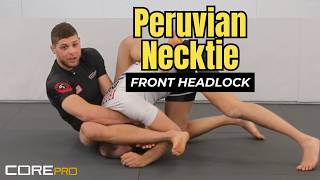
The Front Headlock System: Peruvian Necktie
CorePRO BJJ

Front Head lock to Peruvian Necktie and Multiple Submission Options
Donny Blue
Peruvian Choke with Japanese Necktie Option with Alex Humen
Bernardo Faria BJJ Fanatics
Front Head lock to Peruvian Necktie and Multiple Submission Options
Donny Blue
Effective Setup for Peruvian Necktie (And 2 Submission If It Fails)
Chewjitsu