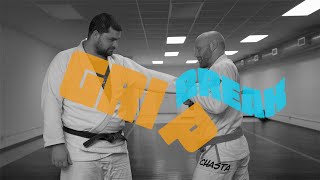
Neck Crank Fundamentals in Kata
Neck crank techniques appear throughout traditional martial arts kata with multiple variations. In Uyatas Pasai, for example, practitioners execute neck cranks through specific sequences: one involves an upward motion that transitions into a rotational movement, while another utilizes a crossing action before transitioning to a fisted position.
Anatomical Consequences of Lethal Neck Cranks
A true neck break occurs through rapid lateral head shifts combined with cervical tilting, which ruptures spinal processes and vertebrae while potentially damaging critical nerves and the spinal cord. This mechanism affects the reticular activating system of the brainstem and can sever or compress the phrenic nerve, immediately stopping respiration.
Legal and Self-Defense Implications
In contemporary legal systems, applying a lethal neck crank presents significant criminal liability. Proving such a technique qualifies as justified self-defense escalation remains extremely difficult in court, often resulting in severe criminal charges regardless of defensive intent.
Nerve-Based Alternative Approach
Modern practice emphasizes nerve targeting rather than structural damage, creating instantaneous physiological responses without permanent injury. This method preserves the same kata movements and applications while enabling legal, controlled training and sport competition use.
Multiple Kata Applications
Neck crank mechanics appear in various kata patterns beyond Uyatas Pasai, including taikyoko movements where practitioners grip the chin and apply downward pressure before executing throws. These diverse applications demonstrate the technique's fundamental importance across martial styles.
Controlled Execution for Nerve Attacks
Slow, methodical application of nerve-targeting techniques produces physical dysfunction without tissue damage. This deliberate approach enables safe training, sport compliance, and practical martial application across disciplines including traditional karate, mixed martial arts, and Muay Thai clinch work.
Universal Applicability Across Martial Disciplines
Neck crank principles apply universally once practitioners achieve clinch range in any combat sport or martial art. Understanding how to target nerves rather than apply structural damage allows athletes to utilize these positions effectively while remaining compliant with sport rules and safety standards.
Neck Crank
Key Takeaways
- •Neck Crank Fundamentals in Kata
- •Anatomical Consequences of Lethal Neck Cranks
- •Legal and Self-Defense Implications
- •Nerve-Based Alternative Approach
Neck Crank - without damaging the neck, you can readily disable and alter the opponents consciousness. Learn More joining the YouTube "Extended Videos" membership here https://www.youtube.com/channel/UCF7kfxvXFe7pl3SekSv7fgQ Or at: https://www.patreon.com/Kyusho And for a full education to Learn Real Kyusho visit: Platinum Subscription https://kyusho.com/membership-options/platinum-membership for over 250 full length videos with history, breakdown, analysis, demonstration and training approaches. To Support the channel and help keep the videos coming, Please hit the THUMBS UP and subscribe... we will answer your questions. #Kyusho
Frequently Asked Questions
What does this video teach about standard neck crank defence?
This video covers neck crank fundamentals in kata, anatomical consequences of lethal neck cranks, legal and self-defense implications. It provides detailed instruction from Evan Pantazi.
How long does it take to learn standard neck crank defence?
The basic mechanics can be understood in a single session, but developing reliable execution requires consistent drilling over weeks of practice. This 7-part breakdown helps structure your training by isolating each phase of the technique.
What are the key details for finishing standard neck crank defence?
Slow, methodical application of nerve-targeting techniques produces physical dysfunction without tissue damage. This deliberate approach enables safe training, sport compliance, and practical martial application across disciplines including traditional karate, mixed martial arts, and Muay Thai clinch work.