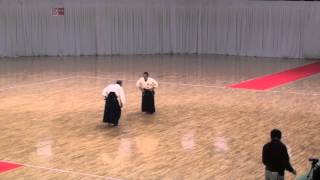
Introduction to Tanto Training
Instructor Dan Martin from Western Masters of Martial Arts in Boynton Beach, Florida, introduces the tanto—a traditional Japanese short knife used in Aikido and Taekwondo-based training. This instructional series covers fundamental tanto principles and basic striking techniques.
Tanto Variations and Equipment
The tanto comes in multiple forms, ranging from authentic sharpened Japanese blades to wooden training implements. Common variations include formal ceremonial knives, hand-carved wooden tantos, and practice weapons designed for safe drill work. Each variation serves different training purposes and collecting interests.
Classical Tanto vs. Combat Knife
Classical tanto practice differs significantly from military combative knife techniques, though both share underlying principles. Understanding these foundational principles allows practitioners to apply similar mechanics across different fighting systems and weapons disciplines.
Starting Position and Grip
The tanto begins at a 45-degree angle to the left, positioned in front of the obi knot on the hakama. The practitioner draws the weapon to center, pulls it free, and moves forward into kamae position while keeping the blade edge (hakamai) facing upward. This upward orientation protects against finger injuries if an opponent attempts to grab the blade.
Basic Thrust Mechanics
The fundamental tanto movement begins from nigi hanmi no kamae, transitioning into hanmi stance before executing a thrust. The practitioner extends the weapon forward while maintaining proper hand positioning to avoid cutting their own wrist, then retracts and resets to starting position. This creates a continuous, controlled motion suitable for both solo and partner drills.
Kata Sequence: Four-Position Flow
The basic tanto kata consists of four distinct positions: starting position, draw to center, thrust execution, and return to ready. Practitioners move laterally between lines as they extend and retract the weapon, maintaining awareness of blade placement relative to body position. This methodical progression builds muscle memory and proper form.
Karate Punch Application
The tanto thrust mechanics parallel traditional karate punching theory, with emphasis on chamber, extension, and retraction. Practitioners should think of drawing the weapon as a setup phase, similar to a punch chamber, followed by full extension along a new line. Proper stance transition and directional awareness are essential throughout the movement.
Safety and Weapon Awareness
Practitioners must maintain constant awareness of blade position relative to their hands and body to prevent self-injury. Proper hand placement during extension and retraction ensures the cutting edge does not contact the wrists or torso. This fundamental safety principle should be practiced until correct positioning becomes automatic.
Tanto Basic’s - Right and Left Thrust.
Key Takeaways
- •Introduction to Tanto Training
- •Tanto Variations and Equipment
- •Classical Tanto vs. Combat Knife
- •Starting Position and Grip
The Japanese Tanto is the short knife. In this video Harden Sensei demonstrates two beginner movements for students to practice. The thrusts are called “Tsuki” and based on the direction of the stance - either “migi” or “Hidari” for Left or Right leads. We emphasize these are classical Yoshinkan movements and hence are unrelated to what “Colonel” Harden calls CTK or combat tactical knife. There are other videos that teach a more street applicable method - we want to focus on principles of method. For my Tae Kwon Do and kick boxing students - think of the thrusts as a individual punch. We do have sample requirements wherein these movements are done at the Nidan (2nd Degree Black Belt) level for Tae Kwon Do students - as a sample of other systems. For my Aikido students this is a direct basic review. Enjoy! Osu!! Sensei Harden
Frequently Asked Questions
What does this video teach about standard tanto technique?
This video covers introduction to tanto training, tanto variations and equipment, classical tanto vs. combat knife. It provides detailed instruction from Harden Martial Arts - Western Masters.
How long does it take to learn standard tanto technique?
The basic mechanics can be understood in a single session, but developing reliable execution requires consistent drilling over weeks of practice. This 8-part breakdown helps structure your training by isolating each phase of the technique.
What are the key details for finishing standard tanto technique?
The tanto thrust mechanics parallel traditional karate punching theory, with emphasis on chamber, extension, and retraction. Practitioners should think of drawing the weapon as a setup phase, similar to a punch chamber, followed by full extension along a new line. Proper stance transition and directional awareness are essential throughout the movement.