Pressure Point Strike Fundamentals
Pressure point strikes work by overloading the body's nervous system, causing it to shut down rapidly. The instructor focuses on two primary targets on the neck: Stomach 9 and Triple Warmer 17. By limiting focus to fewer pressure points, practitioners become more proficient in their application during real scenarios.
Hand Formation for Stomach 9
The striking hand is formed by making a fist with the thumb pressed firmly on top, creating a notched surface. This configuration provides a concentrated striking tool that targets the nerve cluster on the neck. The same hip rotation and circular motion used in a slap strike transfers power into the nerve strike.
Execution of Stomach 9 Strike
The practitioner steps into the opponent while maintaining the same speed and rotational mechanics as a standard slap. Just before contact, the hand closes into the fist position to tap the nerve. The nervous system responds immediately to this stimulation, potentially causing rapid incapacitation.
Triple Warmer 17 Target Location
Triple Warmer 17 is located at the edge of the jaw beneath the ear. The strike uses either two fingers or an arched thumb inserted at this precise point. Targeting this nerve cluster causes immediate discomfort and can force an opponent to the ground.
Neurological Effect of Pressure Point Strikes
Pressure point strikes interrupt the nervous system's ability to control the body, causing rapid collapse or knockout. The shock to the system is so sudden that the body cannot process or resist the effect. Recovery is typically quick when moderate force is used, but full-force application can cause prolonged unconsciousness or severe injury.
Safety Considerations and Training Protocols
Pressure point techniques should never be practiced at full force on training partners, friends, or loved ones. If exploring these techniques with a partner, warm the target area gently with the thumb and watch for signs of discomfort. Full-force application carries serious medical risks and should only be deployed in genuine life-threatening self-defense situations.
Secondary Pressure Point Applications
Nerve clusters under the jaw and chin provide control points when an opponent has achieved a close grip or pin. Pressure applied beneath the chin can temporarily paralyze parts of the body, giving the defender an escape opportunity. These points can be accessed using fingers, thumbs, or improvised tools like pens or hairbrush handles.
Pressure Points for Pinned Scenarios
When pinned against a wall or held close, pressure points around the jaw, throat, armpit, and groin provide control options. Running the thumb or fingers across these nerve pathways causes discomfort and forces release of the attacker's grip. These techniques allow a disadvantaged defender to regain control and create distance.
3 “magic knockout” pressure points. (Amazing!)
Key Takeaways
- •Pressure Point Strike Fundamentals
- •Hand Formation for Stomach 9
- •Execution of Stomach 9 Strike
- •Triple Warmer 17 Target Location
If you liked this, join our private FB group where you get exclusive access to more great videos like this Get Your 15 FREE Brutally Effective... Combat-PROVEN "Fight-Enders" ► https://fightfast.com/yt/bfe Pressure points, also known as vital points or vulnerable areas, are specific areas on the human body that can be targeted to inflict pain, discomfort, or disable an attacker temporarily in self-defense situations. It's important to note that using pressure points in self-defense should be used with caution and as a last resort. Always prioritize non-violent conflict resolution and, if possible, seek to escape or de-escalate the situation. Here are some common pressure points that can be targeted for self-defense: Eyes: Gouging or poking an attacker's eyes can cause extreme pain and temporary blindness. This is a highly effective and often instinctual response to a threat. Nose: Striking the nose with a palm-heel strike, elbow, or knee can cause significant pain and potentially incapacitate an attacker momentarily. Throat: A strike to the throat can cause choking, difficulty breathing, and intense pain. Be very cautious when targeting this area, as it can be dangerous. Temples: Striking the temples on the sides of the head can disorient an attacker and potentially cause a knockout. Jaw: A powerful punch or upward strike to the jaw can cause pain and disorientation. Ears: A hard slap or strike to the ears can disrupt an attacker's balance and disorient them temporarily. Neck: Targeting the sides or back of the neck can cause pain and discomfort, especially if you hit sensitive nerve areas. Collarbone: Striking or pressing on the collarbone can be painful and may impair an attacker's ability to use their arm. Solar Plexus: A strike to the solar plexus (the soft area just below the sternum) can cause an attacker to lose their breath and double over in pain. Groin: A kick or knee strike to the groin can incapacitate an attacker, particularly if you're dealing with a male assailant. Kidneys: The lower back area just above the hips can be targeted with a hard strike to cause significant pain. Pressure Points on Arms and Legs: There are various pressure points on the arms and legs that, when struck or manipulated, can cause pain and temporary disability. These are commonly used in martial arts and self-defense techniques. It's crucial to remember that the effectiveness of pressure point techniques can vary based on factors such as an attacker's pain tolerance, adrenaline levels, and body size. Also, relying solely on pressure points may not be sufficient in all self-defense situations. Therefore, it's essential to combine pressure point techniques with other self-defense skills, such as striking, blocking, and evasion, as well as de-escalation and escape strategies. Additionally, self-defense training and knowledge of local laws and regulations are crucial for using these techniques responsibly. If you liked this fight fast video and want to learn more simplified self defense subscribe to our channel by clicking here: https://www.youtube.com/fightfastvideos?sub_confirmation=1 Want to boost your self defense skills quickly? Fight Fast Advanced Fundamentals playlist: https://www.youtube.com/playlist?list=PLwn5YXM1AxtpDvKTxNHZS4EoFIn1eMnrm For over 30 years Threat Response Solutions and Fightfast.com have been dedicated to teaching average people quick learn self defense techniques that actually work in a real life street fight. Our instruction works against larger, stronger, more aggressive opponents. To do this we’ve sought out the most experienced combat experts in the world, guys whose lives depend on their techniques actually working. Our instructors include former US and Israeli Special Forces soldiers, cage fighters, notorious street fighters, bar-room bouncers, and grizzled beat cops. If you want to learn from the best most experienced fighters in the world you are in the right place. FightFast Blog ► http://www.fightfast.com/blog Facebook ► http://facebook.com/fightfast Instagram @TRSsurvival ► https://instagram.com/trssurvival #SelfDefense #TRSsurvival #FightFast
Frequently Asked Questions
What does this video teach about head cut?
This video covers pressure point strike fundamentals, hand formation for stomach 9, execution of stomach 9 strike. It provides detailed instruction from FightFast.
How long does it take to learn head cut?
The basic mechanics can be understood in a single session, but developing reliable execution requires consistent drilling over weeks of practice. This 8-part breakdown helps structure your training by isolating each phase of the technique.
What are the key details for finishing head cut?
Nerve clusters under the jaw and chin provide control points when an opponent has achieved a close grip or pin. Pressure applied beneath the chin can temporarily paralyze parts of the body, giving the defender an escape opportunity. These points can be accessed using fingers, thumbs, or improvised tools like pens or hairbrush handles.
Related videos
All 5 German Longsword "Hidden" Master Cuts
Blood and Iron HEMA
Striking and cutting with swords in martial arts
scholagladiatoria
Wing Chun Techniques - Sifu's Corner Understanding The Gan Sao Better
Enter Shaolin
10 Solo Rapier Drills in 5 minutes
Blood and Iron HEMA
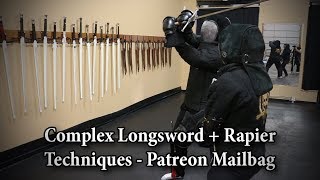
Complex Longsword / Rapier techniques - Patreon Mailbag: October
Blood and Iron HEMA