Introduction to the Stiff Arm Series
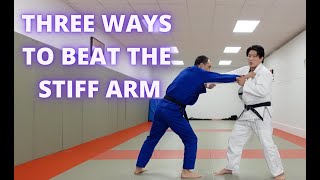
The stiff arm technique represents a foundational judo concept that cannot be practiced at full intensity or speed. This throw initiates a comprehensive series that demonstrates how responsive footwork and positional awareness create multiple throwing opportunities.
Chaining Throws from Defensive Reactions
When an opponent steps back to avoid an o soto gari, the instructor immediately transitions into a hip throw by stepping with the retreating opponent. This sequential approach—progressing from point A through point D—ensures continuous pressure regardless of the opponent's directional response.
Exploiting Recovery Steps
The instructor demonstrates that every defensive reaction forces the opponent into a recovery phase where their commitment to safety overrides their strength. Rather than relying on upper body power, the instructor uses the opponent's own repositioning to execute entries for techniques like knee wheel or seoi nage.
Momentum and Commitment Over Muscular Force
Effective throwing relies on maintaining constant attack momentum rather than explosive arm strength. Once an opponent is destabilized through proper technique, sustained pressure requires minimal additional effort compared to techniques dependent on pure physical power.
Strategic Response to Strong Opponents
When facing opponents who attempt to resist through strength, a subtle repositioning forces them to rebalance. During this recovery phase, attackers can execute throws by working around the arms rather than through them, utilizing techniques like soto makikomi or raguroshi.
Creating a Safe Training Environment
Controlled practice intensity protects both experienced and novice practitioners from developing fear responses that inhibit learning. Instructors must establish training protocols that encourage exploration and skill development rather than competitive intensity that compromises safety.
Building Community Through Inclusive Instruction
Circular training formations and rank-independent practice structures foster genuine collaboration among practitioners of all levels. Maintaining a welcoming, accessible dojo culture ensures consistent recruitment of new students and long-term sustainability of the martial arts community.
Judo with Bob Rea: Back to Basics - 8. Stiff arms and strength
Key Takeaways
- •Introduction to the Stiff Arm Series
- •Chaining Throws from Defensive Reactions
- •Exploiting Recovery Steps
- •Momentum and Commitment Over Muscular Force
Bob Rea teaches a judo clinic at Windsong dojo. This lesson series focuses on fixing bad habits in experienced judo students by getting back to basics. Many advanced judo students tend to leave steps out. Lesson eight focuses on overcoming stiff arms and strength. http://www.windsongdojo.com http://www.kazeutabudokai.com
Frequently Asked Questions
What does this video teach about standard stiff arm?
This video covers introduction to the stiff arm series, chaining throws from defensive reactions, exploiting recovery steps. It provides detailed instruction from Kaze Uta Budo Kai / Windsong Dojo.
How long does it take to learn standard stiff arm?
The basic mechanics can be understood in a single session, but developing reliable execution requires consistent drilling over weeks of practice. This 7-part breakdown helps structure your training by isolating each phase of the technique.
What are the key details for finishing standard stiff arm?
Controlled practice intensity protects both experienced and novice practitioners from developing fear responses that inhibit learning. Instructors must establish training protocols that encourage exploration and skill development rather than competitive intensity that compromises safety.