Foundation: Two-Handed Cupping Technique
This technique builds upon the previously demonstrated two-handed cupping defense applied to threats at the side of the head. The instructor now addresses frontal gun threats, where the defender must manage a direct line of fire while maintaining proper hand positioning within their defensive silhouette.
Managing Poor Hand Position
When hands are initially out of position during a frontal gun threat, the defender must immediately redirect the muzzle to deflect the line of fire. The priority is establishing control of the weapon while simultaneously closing distance to prevent discharge.
Establishing Muzzle Control and Striking
Once muzzle control is achieved, the defender applies downward pressure on the weapon while delivering strikes to the threat. This dual-action approach—controlling the gun while neutralizing the attacker—reduces the immediate danger of discharge.
Transitioning Behind the Threat
If the threat moves during the defense, the defender can continue motion to position themselves behind the attacker. This positional advantage significantly improves the defender's safety and control options compared to facing the threat directly.
Disarming Sequence
From the advantageous position behind the threat, the defender can execute the disarming technique covered in previous training videos. This progression moves from defensive control to active weapon removal, creating clear separation from the threat.
Ethical Considerations in Force Escalation
The instructor emphasizes that controlling and striking the threat may be sufficient to neutralize the danger without escalating to weapon use. Legal and ethical implications should inform decision-making; defensive force should be proportional and necessary.
Developing Situational Awareness and Intuition
Proper response to threats requires developing 'fight IQ' through consistent training. Practitioners should trust their instinctive awareness—the same intuition that alerts them to danger in their environment—while refining it through deliberate practice.
Variables in Real-World Application
Multiple factors determine the appropriate response level, including the threat's reaction to defensive strikes and the trajectory of the situation. Training must account for these variables rather than relying on single, predetermined responses.
How To Defend A Gun Threat | Front Two Handed Cupping Technique
Key Takeaways
- •Foundation: Two-Handed Cupping Technique
- •Managing Poor Hand Position
- •Establishing Muzzle Control and Striking
- •Transitioning Behind the Threat
SUBSCRIBE TO LEARN MORE KRAV MAGA: https://www.youtube.com/c/ClearSkyTraining?sub_confirmation=1 Podcast: https://rmsdf.com/the-john-hallett-podcast-rmsdf/ Our Knife: https://www.clearsky-online.com/product/clearsky-defender-1/ Sirt Laser Training Pistol: https://www.clearsky-online.com/sirt/ Learn More @ http://clearsky.training/ Shop: https://www.clearsky-online.com/ Come and train with us in person @ https://rmsdf.com/ #kravmaga #clearsky #JohnHallett #RMSDF #Castlerockcolorado
Related Techniques
Frequently Asked Questions
What does this video teach about defence against gun threat front?
This video covers foundation: two-handed cupping technique, managing poor hand position, establishing muzzle control and striking. It provides detailed instruction from ClearSky.Training.
How long does it take to learn defence against gun threat front?
The basic mechanics can be understood in a single session, but developing reliable execution requires consistent drilling over weeks of practice. This 8-part breakdown helps structure your training by isolating each phase of the technique.
What are the key details for finishing defence against gun threat front?
Proper response to threats requires developing 'fight IQ' through consistent training. Practitioners should trust their instinctive awareness—the same intuition that alerts them to danger in their environment—while refining it through deliberate practice.
Related videos
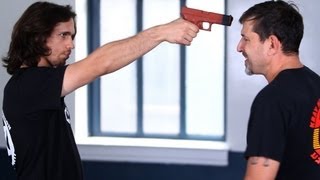
How to Defend against a Gun to the Face | Krav Maga Defense
Howcast

Black Scout Tutorials - Urban Tactics - Pistol Disarming from the Front
BlackScoutSurvival
Subway Common Sense - Self Defense Techniques
Vee AJ Jitsu
SITTING ON THE SUBWAY part 2 - Self Defence Techniques
Vee AJ Jitsu
SITTING ON THE SUBWAY part 1 - Self Defence Techniques
Vee AJ Jitsu