Introduction & Technique Overview
Master Castile introduces the defense against a rear bear hug, a critical technique for preventing being lifted, slammed, or choked from behind. This follow-up to the front bear hug defense addresses the increased danger posed by an attacker's position behind the defender.
Establishing Base Position
The defender immediately lowers their center of gravity by bending the knees and adopting a wider stance. This low base prevents the attacker from easily lifting them off the ground, regardless of whether the grip is over or under the arms.
Hand Control & Grip
Rather than throwing elbows immediately, the defender secures both of the attacker's hands and holds them firmly in place. This establishes control and prevents the attacker from adjusting their grip or moving to a choking position.
Footwork & Hip Positioning
The defender executes a circular stepping pattern, moving one foot laterally followed by the other, while maintaining their lowered base. This footwork creates the space necessary to position the hips behind the attacker's center of gravity.
The Sit-Back & Leg Control
The defender drives their weight onto the attacker's ribs while simultaneously pushing down on the attacker's knees, then sits back and extends their legs. This position controls both the attacker's upper and lower body while protecting the defender's face from kicks.
Strike & Escape Sequence
From the seated position, the defender delivers rapid elbow strikes to the attacker's face or head before immediately standing and creating distance. Quick execution prevents the attacker from transitioning to chokes or reversals.
Adaptability: Over vs. Under Arms
The technique remains effective whether the attacker uses an over-the-arms or under-the-arms grip, requiring only minor adjustments rather than a complete change in strategy. A properly executed technique should work against multiple grip variations without major modifications.
Training Safety Considerations
Practitioners should practice in open spaces without furniture to prevent accidental head injuries from falls. Understanding that the attacker bears the risk of striking their head on obstacles during the throw helps establish proper context for safe training.
Defense Against a Bearhug from Behind- Step by Step Tutorial
Key Takeaways
- •Introduction & Technique Overview
- •Establishing Base Position
- •Hand Control & Grip
- •Footwork & Hip Positioning
Bearhugs from Behind need to be defended quickly and with simple techniques. You don't want someone to take your back, put you to the ground, and choke you, so you must act fast and decisively.
Related Techniques
Frequently Asked Questions
What does this video teach about defence against bear hug from behind?
This video covers introduction & technique overview, establishing base position, hand control & grip. It provides detailed instruction from Maximum Martial Arts University.
How long does it take to learn defence against bear hug from behind?
The basic mechanics can be understood in a single session, but developing reliable execution requires consistent drilling over weeks of practice. This 8-part breakdown helps structure your training by isolating each phase of the technique.
What are the key details for finishing defence against bear hug from behind?
The technique remains effective whether the attacker uses an over-the-arms or under-the-arms grip, requiring only minor adjustments rather than a complete change in strategy. A properly executed technique should work against multiple grip variations without major modifications.
Related videos
How to defend yourself against a bear hug from behind 😱
OCTAGON FURY
How to Escape a Rear Bear Hug with Arms Pinned | Self-Defense Techniques for Beginners
Montezuma Martial Arts Academy
How to Defend Against a Rear Bear Hug
GracieBreakdown
WMAC Self Defence - Bear hug from behind
Wickhams Martial Arts Centre
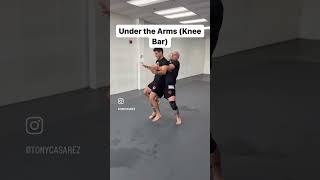
Top 5 BJJ Bear Hug Escapes Every Beginner Should Know #bjj #martialarts #jiujitsu
Tony Casarez