Initial Position & Body Mechanics
The attacker secures a bear hug from behind, wrapping their arms around the defender's torso. The defender immediately recognizes that their shoulders are wider than the attacker's grip point, creating a structural advantage. This width differential is essential to exploit for escape.
The Expansion Technique
The defender raises both hands to chest height in a plank position, then explosively drives the elbows outward and upward while simultaneously pushing the hands forward in a basketball-passing motion. This dual action—elbow lift combined with hand thrust—creates critical space to break the grip.
Wrist Control & Stance Transition
Once space is created, the defender secures both of the attacker's wrists and steps forward into a shoulder-width stance. This establishes superior positioning and control over the attacker's arms for the counterattack sequence.
Elbow Strike & Hammer Fist Combination
From the wrist control position, the defender thrusts an elbow strike toward the attacker's neck or face, followed immediately by a hammer fist strike to the same target. These consecutive strikes exploit the close-quarters positioning and the attacker's compromised balance.
Neck Control & Head Positioning
The defender secures a hand behind the attacker's neck while maintaining wrist control. This control point allows the defender to manipulate the attacker's head position and posture, setting up the final finishing techniques.
Footwork & Positional Maneuvering
The defender drives their foot down for grounding while lifting the opposite hand upward, then rotates around the attacker's body. This footwork creates angular advantage and allows the defender to move to a dominant position.
Finishing Sequence
With the attacker controlled and positioned disadvantageously, the defender executes a final technique—typically a punch or continued striking—to conclusively end the threat. The defender may also apply a washing technique (head control manipulation) to further disable the attacker before the finishing strike.
WMAC Self Defence - Bear hug from behind
Key Takeaways
- •Initial Position & Body Mechanics
- •The Expansion Technique
- •Wrist Control & Stance Transition
- •Elbow Strike & Hammer Fist Combination
WMAC Zen Do Kai / Kids karate Curriculum. This video is a reference only and is not a teaching tool.
Related Techniques
Frequently Asked Questions
What does this video teach about defence against bear hug from behind?
This video covers initial position & body mechanics, the expansion technique, wrist control & stance transition. It provides detailed instruction from Wickhams Martial Arts Centre.
How long does it take to learn defence against bear hug from behind?
The basic mechanics can be understood in a single session, but developing reliable execution requires consistent drilling over weeks of practice. This 7-part breakdown helps structure your training by isolating each phase of the technique.
What are the key details for finishing defence against bear hug from behind?
The defender drives their foot down for grounding while lifting the opposite hand upward, then rotates around the attacker's body. This footwork creates angular advantage and allows the defender to move to a dominant position.
Related videos
How to defend yourself against a bear hug from behind 😱
OCTAGON FURY
How to Escape a Rear Bear Hug with Arms Pinned | Self-Defense Techniques for Beginners
Montezuma Martial Arts Academy
How to Defend Against a Rear Bear Hug
GracieBreakdown
Top 5 BJJ Bear Hug Escapes Every Beginner Should Know #bjj #martialarts #jiujitsu
Tony Casarez
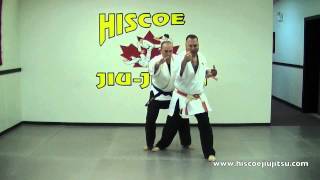
Self Defense Technique - Bear hug over the arms from rear held low - Hiscoe Jiu-Jitsu
Hiscoe Jiu-Jitsu