Understanding the Check Hook
The check hook is a defensive counter-punch executed when an opponent rushes forward with an attacking hand. This technique exploits the momentary vulnerability that occurs when the opponent commits to their punch, creating a critical opening for the counter.
Identifying the Vulnerability
When an opponent throws a right hand, the side of their face becomes exposed regardless of their guard position. Even professional boxers cannot fully protect this target during the striking motion, creating a predictable window for the counter-attack.
Optimal Stance and Shoulder Protection
The safest execution requires maintaining a slight forward lean with the right shoulder already engaged to provide natural protection. This positioning simultaneously increases power generation and reduces the risk of counter-strikes during the check hook.
Execution and Timing
As the opponent initiates their punch, the defender must immediately trigger the left hook with a pivoting motion away from the incoming attack. The pivot simultaneously creates distance while allowing the hook to land with maximum force as the opponent extends into the counter.
Aiming Strategy
Rather than attempting to throw over or under the opponent's arm, the practitioner should aim the hook straight across the body as if the opponent's guard is not present. Due to the split-second timing advantage, the target will be exposed regardless of the opponent's defensive positioning.
Power Development Through Forward Positioning
Maintaining a slight forward lean is critical for generating full power; stepping backward during execution significantly reduces impact force. Even when crouching for head movement, the boxer should remain positioned forward to maximize punch effectiveness.
Defensive Applications Against Aggressive Opponents
The check hook is particularly effective against relentless, aggressive fighters who continually pressure with forward momentum. By standing ground and maintaining readiness, the defender transforms the opponent's aggression into a liability exploitable through precise counter-timing.
How to Throw a Check Left Hook Counter-Punch
Key Takeaways
- •Understanding the Check Hook
- •Identifying the Vulnerability
- •Optimal Stance and Shoulder Protection
- •Execution and Timing
https://www.expertboxing.com - FREE BOXING TIPS! https://www.secretstopunchingpower.com - SECRET punching techniques! https://www.fightingfootwork.com - INTENSE FOOTWORK DRILLS! https://www.30dayfightersdiet.com - get strong and LOSE WEIGHT https://www.howtoboxin10days.com - learn HOW TO BOX in 10 Days https://www.advancedboxingworkshop.com - ADVANCED punching power techniques and footwork Learn how to throw a "check hook" counter-punch in boxing. This is a common left hook counter punch used against attacking fighters that come into your space with big right hand punches. The idea is you throw your left right when their right glove leaves their face and your left hook lands before their right cross lands. It requires a pre-emptive counter-attack on your part and a bit of fighting strategy to make the angles work for you!
Related Techniques
Frequently Asked Questions
What does this video teach about check hook counter?
This video covers understanding the check hook, identifying the vulnerability, optimal stance and shoulder protection. It provides detailed instruction from expertboxing.
How long does it take to learn check hook counter?
The basic mechanics can be understood in a single session, but developing reliable execution requires consistent drilling over weeks of practice. This 7-part breakdown helps structure your training by isolating each phase of the technique.
What are the key details for finishing check hook counter?
Maintaining a slight forward lean is critical for generating full power; stepping backward during execution significantly reduces impact force. Even when crouching for head movement, the boxer should remain positioned forward to maximize punch effectiveness.
Related videos

CHECK HOOK TUTORIAL🥊🔥 #tutorial #boxing #boxingtraining #learntobox #boxingtutorial #viral
Thoseboxingbrothers
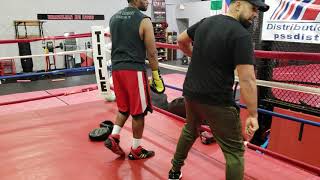
Boxing How to throw a check hook
Coach Anthony

How To Throw The Check Hook Using Mayweather's Footwork
World Class Boxing Channel

How to Throw the Check Hook in Boxing, and 4 Useful Variations
Precision Striking

Beginner Boxing: Check Hook ✅
Hayabusa