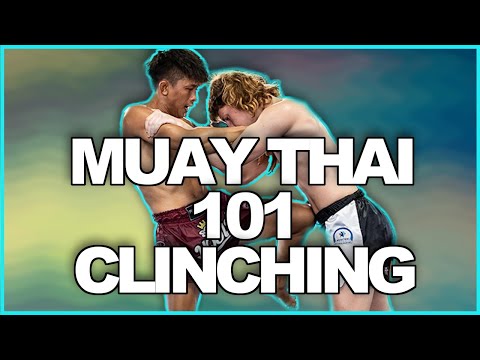
Muay Thai 101: Introduction to Clinch Wrestling | WEST LA MUAY THAI
0
Khao Tat·Coach Vic·Added by Admin
▶ INSTAGRAM: http://instagram.com/thethaiboxinginstitute -- ▶ MERCH: http://TBIMERCH.COM -- ▶ TBI GYM: https://thaiboxi…
Translation: horizontal knee
Khao Tat (เข่าตัด), the horizontal or cutting knee, derives its Thai name from 'tat' meaning 'to cut' or 'to slice,' reflecting the lateral sweeping motion of the technique. [1] Kraitus and Rennehan classify Khao Tat among the curved knee family, noting that it was developed to attack opponents from the side when direct forward knee strikes were blocked or unavailable. [1] The technique requires strong hip rotation and is traditionally trained on heavy bags and Thai pads held at the side, a training method documented in Thai camps since the early 20th century. [2]
Khao tat (horizontal knee) strikes sideways. [1]
A traditional Muay Thai knee. [1]
Used in Muay Thai. [1]
No images yet for this technique.
Sign in to suggest an image.
▶ INSTAGRAM: http://instagram.com/thethaiboxinginstitute -- ▶ MERCH: http://TBIMERCH.COM -- ▶ TBI GYM: https://thaiboxi…
No instructional courses yet for this technique.
Sign in to suggest a course.
Risk of injury to the person this technique is applied to
Muay Thai khao khong; diagonal knee to ribs/thigh
Skill level needed to execute this technique reliably
Whether this technique is allowed under major competition rule sets
Muay Thai: The Art of Fighting (Yod Ruerngsa, Khun Kao Charuad & James Cartmell, 2002)
Alias sources — [1] Muay Thai Unleashed (Delp, 2006) [2] Muay Thai: The Art of Fighting (Kraitus & Kraitus, 1988) [3] Muay Thai: A Living Legacy (Vail, 2014)
History sources — [1] Muay Thai: The Art of Fighting (Kraitus & Rennehan, 2002) [2] Muay Thai Unleashed (Delp, 2006)
Standard katakana transliteration of Western martial arts terminology (外来語) — used in Japanese MMA, boxing, and BJJ communities
Alias sources — [1] Muay Thai Unleashed (Delp, 2006) [2] Muay Thai: The Art of Fighting (Kraitus & Kraitus, 1988) [3] Muay Thai: A Living Legacy (Vail, 2014)
History sources — [1] Muay Thai: The Art of Fighting (Kraitus & Rennehan, 2002) [2] Muay Thai Unleashed (Delp, 2006)
hip flexion power, clinch control ability, close-range comfort
long thigh for greater leverage, strong hip flexors
hip flexors, quadriceps, core, grip (for clinch)
According to Coach Vic, you hold the clinch by placing one palm over the other and holding either the neck or, better yet, the top of the head or crown of the head.
Coach Vic recommends training clinch work consistently, anywhere between five or six days a week for proficiency, noting that the Thai Boxing Institute clinches primarily four days a week.
Coach Vic recommends working two basic knee techniques: a side knee (with palm slapping) or a skipping side knee, always driving with the thigh, and practicing pushing and pulling movements to move your opponent forward and backward.
Coach Vic emphasizes that you should only use elbows when you know proper controlled technique, understand correct training targets, know how to defend against them, and are wearing elbow pads—otherwise you should not attempt them.
A Muay Thai horizontal knee strike swinging the knee in a lateral arc parallel to the ground, attacking the opponent's side or thigh with a sweeping motion.
Khao Tat (เข่าตัด), the horizontal or cutting knee, derives its Thai name from 'tat' meaning 'to cut' or 'to slice,' reflecting the lateral sweeping motion of the technique. Kraitus and Rennehan classify Khao Tat among the curved knee family, noting that it was developed to attack opponents from the side when direct forward knee strikes were blocked or unavailable.
Unified MMA: restricted — Knees to standing opponent legal, knees to head of grounded opponent banned; WBC/Boxing: banned — All knee strikes prohibited; WKF: banned — Prohibited in sport karate; Kyokushin: legal — Legal to body; WT: banned — Prohibited; ITF: banned — Prohibited; WAKO: banned — Prohibited in most formats; K: restricted — 1/GLORY — One clinch knee allowed before referee break; IFMA: legal — Legal — knees are a core Muay Thai weapon, clinch knees highly scored
Danger rating 7/10. Very High — Muay Thai khao khong; diagonal knee to ribs/thigh
The standard setup chain: Assume Fighting Stance → Generate Power → Execute Strike → Recover to Guard.
Standard counters include: Block — absorb the strike with a protective guard position / Evasion — move the target out of the strike's path / Counter-Attack — time an offensive response during the recovery phase of the strike.
Common variants: Straight knee (driving the knee straight upward into the body or head); Curved knee (round knee) (swinging the knee from the side in a circular path); Flying knee (leaping forward and driving the knee at the apex of the jump); Clinch knee (pulling the opponent into the knee from Muay Thai plum po…).
Used in Muay Thai.
Top errors to watch for: Swinging the knee loosely without hip commitment — the horizontal knee needs strong lateral hip drive / Hitting with the top of the thigh instead of the inside of the knee / Losing balance from the lateral shift of bodyweight / Not controlling the opponent in the clinch — the horizontal knee is ineffective if they can step away.
The Khao Tat is also known as Kao Tatto, Horizontal Knee, Sweeping Knee, Lateral Knee.