Finish the Kimura Every Time! Jiu Jitsu Tutorial
0
Striking to Kimura·Matt Arroyo Jiu Jitsu
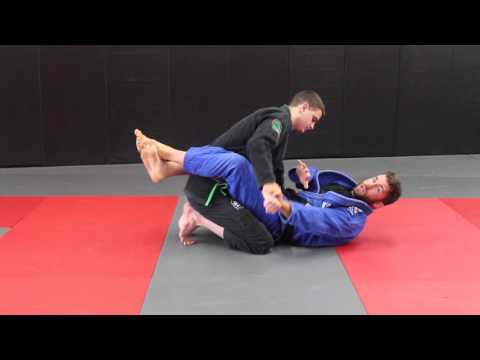
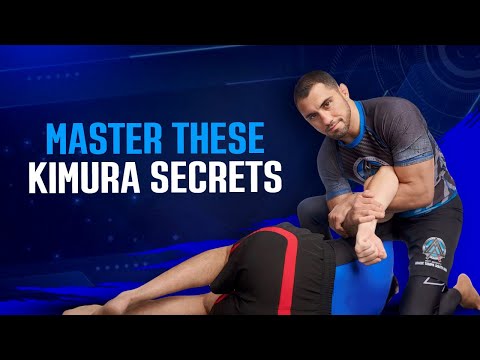
Join My Online Academy to Improve Your Jiu Jitsu FAST!!! https://academy.mattarroyo.com/ Struggling to finish the kimu…
Перевод: striking to kimura
Striking to Kimura uses ground strikes to create the opening for a kimura grip, capitalising on the opponent's defensive arm movements to isolate the arm. [1]
MMA-adapted submission. [1]
Proven at highest levels of MMA competition. [1]
MMA submission methodology. [1]
Used in UFC and professional MMA competition
Изображений для этой техники пока нет.
Войдите, чтобы предложить изображение.
Join My Online Academy to Improve Your Jiu Jitsu FAST!!! https://academy.mattarroyo.com/ Struggling to finish the kimu…
www.Chewjitsu.net In this video I show a kimura from closed guard. The kimura from closed guard is one of the essenti…
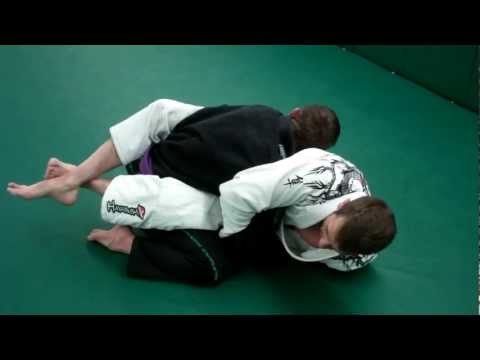
How to finish a Kimura from the guard position with Relson Gracie Black Belt Steve Hordinski. Steve is the owner of Rels…
Striking to Kimura is a guard-based arm-lock submission that transitions from striking or striking-like actions into a controlled joint-lock finish. The technique involves forcing the opponent's hands to the mat as a prerequisite—a critical detail emphasized across all three instructors. Matt Arroyo Jiu Jitsu describes using the "torpedo method," actively following the opponent's hands with leg pressure and blocking until palms contact the mat, while Chewjitsu advocates arching the back to create a "slope" that makes hand placement on the mat difficult for the opponent. Once hands are grounded and the attacker achieves chest-to-chest contact, the setup mirrors the classical Kimura grip: both arms controlling one opponent arm in a figure-four configuration. Key distinctions emerge in grip preferences—Arroyo favors thumb-down positioning on the wrist, while Chewjitsu recommends switching to a thumbless grip to avoid thumb injury and improve grip security. Performance MMA emphasizes creating offensive pressure from the guard rather than waiting for the opponent's mistake, using collar control to force engagement. All three instructors stress hip-drive finishing mechanics and elbow positioning: keeping elbows tight to the body dramatically increases pressure and prevents escape. The technique succeeds through leveraging two arms against one, with body positioning and hip pressure ultimately overpowering arm strength.
Сформировано на основе 3 инструкторов
Учебных курсов по этой технике пока нет.
Войдите, чтобы предложить курс.
Риск травмы для человека, к которому применяется техника
Submission with fight-ending potential
Уровень мастерства, необходимый для надёжного выполнения техники
Разрешена ли техника по основным соревновательным правилам
Mixed Martial Arts: The Book of Knowledge (Penn, Cordoza & Krauss, 2007)
description, historyOrigin: sourced from Penn, B
description, historyOrigin: sourced from Penn, B
Good grip strength
Submission finishing ability
Striking to Kimura is an MMA-specific combination — using ground-and-pound strikes from top position to force the opponent to extend their arms defensively, then catching the exposed arm for a Kimura. Combines striking and grappling into a unified attack. (MMA training manuals; competition records)
According to Matt Arroyo Jiu Jitsu, you're likely missing small but critical details in the setup and finish. The most common mistake is grabbing the wrist too early, which alerts your opponent and lets them rip their arm free. Instead, get your opponent's hands flat on the mat first, then hook high at the shoulder and armpit—not the forearm—to trap the arm before they can escape.
Matt Arroyo Jiu Jitsu recommends using a thumbless grip with your bicep positioned perpendicular (behind) your opponent's arm, not pulled in front like a pull-up. Once locked in, glue their elbow to your chest and push their wrist toward their back rather than pulling, which is much stronger. Keep your elbows pinched tight together throughout—the further your elbows are apart, the weaker the finish.
Matt Arroyo Jiu Jitsu explains that if your opponent's hand is glued to the mat, use an elbow-to-hip motion repeatedly, bulldozing their hand off the mat with your hip. Keep your top leg positioned high and across their back to prevent them from forward rolling out. Once their hand lifts, you can finish the submission.
Chewjitsu emphasizes that you must break posture first, then grab the wrist and lock your own arm out straight. If your arm is bent, your opponent can easily roll your wrist back in. When you open your guard, do a small hip escape and shift to your side, then sit up to your elbow (not your butt) to maintain control and lean forward with pressure.
Both Matt Arroyo Jiu Jitsu and Chewjitsu stress that the further your elbows are apart, the weaker your leverage becomes. Pinching your elbows in tight creates maximum mechanical advantage, especially when you transition to the thumbless grip. This is critical whether you're finishing from the top or when you're already on your side.
Striking to Kimura uses ground strikes to create the opening for a kimura grip, capitalising on the opponent's defensive arm movements to isolate the arm.
MMA-adapted submission.
IBJJF: разрешён — Legal at all belt levels; IJF: разрешён — Legal — elbow joint lock (kansetsu-waza), one of the permitted submission cat…; ADCC: разрешён — Legal — all submissions legal in ADCC; Unified MMA: разрешён — Legal submission technique; FIAS Sport Sambo: разрешён — Legal; FIAS Combat Sambo: разрешён — Legal
Оценка опасности 8/10. Submission with fight-ending potential
Стандартная цепочка подготовки: Position → Strikes → Striking to Kimura.
Стандартные контрприёмы: Posture / Stack / Guard pass.
Распространённые варианты: Standard Striking to Kimura.
Used in UFC and professional MMA competition
Основные ошибки, на которые стоит обратить внимание: Abandoning position for the submission / Poor grip.
Striking to Kimura также известен как Striking to Kimura, GNP to Kimura, Strike Setup Kimura.