Front Headlock Defense
0
Defence Against Headlock·Endeavor Defense & Fitness
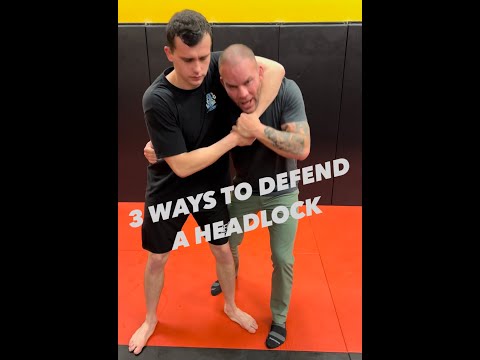
Taking a look at the front headlock (standing guillotine) and a few options for defending it. The goal is always to get …
Перевод: defence against headlock
Developed from real military and security experience; continuously refined based on actual incident reports. [1]
Imi Lichtenfeld → Krav Maga worldwide; Lichtenstein 9th Dan lineage. [1]
Self-defence system — not used in sport competition
Изображений для этой техники пока нет.
Войдите, чтобы предложить изображение.
Taking a look at the front headlock (standing guillotine) and a few options for defending it. The goal is always to get …
3 ways to escape headlocks. Bjj black belt and retired MMA fighter explains his preference to defend the headlock. #…
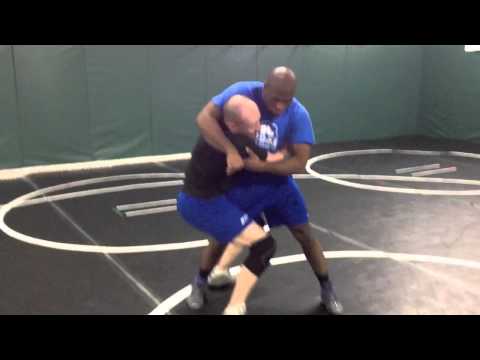
Want to find wrestling tournaments near you? Check out: https://www.WrestlingTournaments.com/
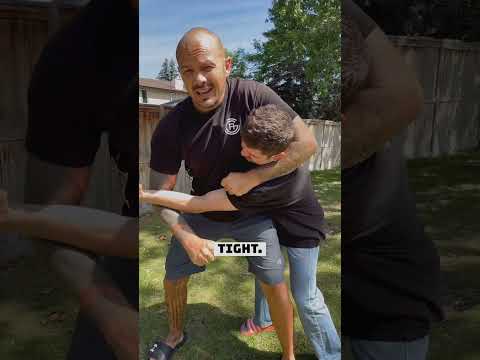
How to Defend against Neck Lock #selfdefence #rajatayyab #selfedefense #kravmaga #fightback Simple Self Defense Techniq…
Click Here To Subscribe So You Never Miss A Video ➤ https://bit.ly/2CxCEvi Professor Gustavo Gasperin teaches 3 options …
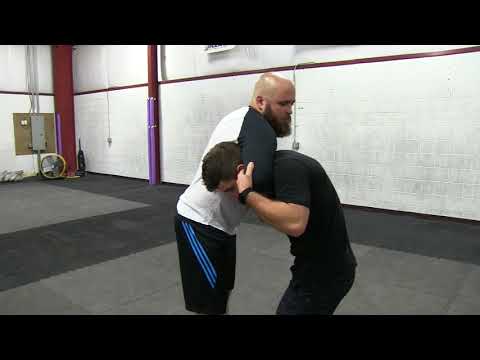
EASY SUCKER DRAG Escape from Front Headlock #bjj #grappling #jiujitsu For INSPIRATION check out this video: https://you…
Self Defense with Kevin Goat - Sifu Kevin Goat will teach you real world self defence training and techniques using his …
Defense against a standing headlock emphasizes early intervention and positional control before an attacker fully secures the grip. MMA Leech advocates immediate postural awareness upon clinch engagement, prioritizing blocking the attacker's arm to prevent hand connection and maintaining an upright posture with a wide base. If positioning is compromised, MMA Leech demonstrates a spiral takedown by stepping between the opponent's legs and driving the hip. WrestlingTournaments.com stresses keeping arms tight to the body to prevent headlock application entirely, and if caught standing, recommends a body lock with immediate hip lift to elevate the attacker's feet off the ground; if taken to the back, bridging and threading through the headlock provides escape. John Connors offers the sucker drag technique, positioning the head under the attacker's chest and transitioning to back control. Endeavor Defense & Fitness presents a layered approach: early detection allows a simple shove-off; if caught early with loose grip, running hips in while maintaining head position and turning the corner permits escape or back take; if the headlock is fully secured, hand fighting takes priority—controlling the wrist or elbow, securing a grip against the chest, then driving out directionally before employing strikes. All instructors agree that maintaining control of the attacker's arms and preventing full grip closure are essential, though they prioritize different technical entry points based on headlock depth.
Сформировано на основе 4 инструкторов
Учебных курсов по этой технике пока нет.
Войдите, чтобы предложить курс.
Риск травмы для человека, к которому применяется техника
Defensive technique
Уровень мастерства, необходимый для надёжного выполнения техники
Разрешена ли техника по основным соревновательным правилам
The Book of Krav-Maga: The Bible (Lichtenstein, 2007)
description, historyOrigin: sourced from Lichtenstein, Y
description, historyOrigin: sourced from Lichtenstein, Y
Quick reactions
Aggression
Awareness
Headlock defense appears in 8 passages across 4 books. The standing headlock is one of the most common street attack positions. Defense requires lowering the base, turning into the attacker, and attacking vulnerable targets (groin, eyes). (4 books; Complete Krav Maga; self-defense manuals)
Many people try to step and walk away with wide movements, but you should instead work in as confined a space as possible to maintain control and limit your opponent's options. Endeavor Defense & Fitness emphasizes staying compact rather than creating distance.
Anytime there's a choke threat at your throat, start hand fighting immediately to break your opponent's grip or control their arm—aim to get a hold near the elbow and pop your head out while controlling the arm. From there you can maintain control, strike, or escape.
No—the headlock is more about the arm than the head itself, so keeping your arms tight and protected is key to preventing a tight squeeze. WrestlingTournaments.com notes that the opponent wants that arm super tight through the crawl to be effective.
Lock up a body lock around your opponent, step forward, and lift them—getting their feet off the ground immediately removes their stability and gives you control instead of letting them apply pressure.
The Defence Against Headlock uses leverage on the attacker's chin and throat combined with strikes to escape the standing headlock position.
Krav Maga was developed by Imi Lichtenfeld for the Israeli Defence Forces and refined for civilian self-defence. Defence Against Headlock addresses real-world attack scenarios.
Unified MMA: разрешён — Legal defensive technique; IBJJF: разрешён — Legal; IJF: разрешён — Legal defensive action; WBC/Boxing: разрешён — Legal; WKF: разрешён — Legal; WT: разрешён — Legal
Оценка опасности 3/10. Defensive technique
Стандартная цепочка подготовки: Threat detected → Defence Against Headlock → Counter-attack → Disengage or control.
Стандартные контрприёмы: N/A — these are defensive responses to attacks.
Распространённые варианты: Against right-handed attacker; Against left-handed attacker; Multiple attackers.
Self-defence system — not used in sport competition
Основные ошибки, на которые стоит обратить внимание: Freezing instead of acting / Insufficient aggression in counter-attacks / Poor footwork.
Defence Against Headlock также известен как Defence Against Headlock, Headlock Defence, Standing Headlock Escape.