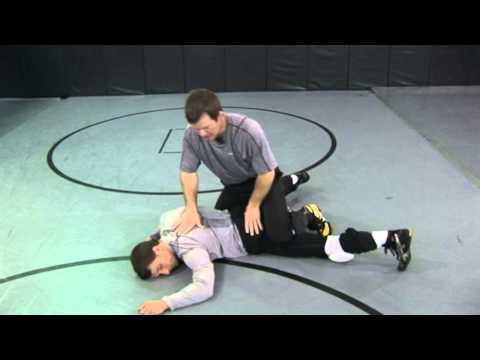
Breakdowns - Leg In From Base | WWR Wrestling Training Videos
0
Stance-Base Defence·World Wrestling Resources
Defense Soap presents the WWR wrestling training videos for wrestlers. The US Olympian Terry Brands demonstrate about 'L…
Перевод: stance and base defence
The Stance-Base Defence family covers takedown defence techniques that use body positioning, low centre of gravity, and wide base to make takedowns mechanically difficult to execute. [1] Stance-based defence is a preventive approach — by maintaining a posture and base that is inherently difficult to take down, the defender reduces the likelihood of successful takedown attempts before they are even initiated. [1],[2] This family includes hip sit defence (dropping the hips and sitting back) and low base defence (maintaining a wide, low athletic stance). [2],[3]
Stance-based takedown defence is one of the most fundamental defensive concepts in wrestling, with proper athletic stance and low centre of gravity being the first defensive principles taught to beginners. [1] In MMA, stance adjustment for takedown defence became a critical skill as fighters balanced the needs of striking stance with wrestling defence. [2],[3]
Low base defence is fundamental in wrestling and MMA. [1]
Used in wrestling and MMA competition. [1]
Изображений для этой техники пока нет.
Войдите, чтобы предложить изображение.
Defense Soap presents the WWR wrestling training videos for wrestlers. The US Olympian Terry Brands demonstrate about 'L…
Учебных курсов по этой технике пока нет.
Войдите, чтобы предложить курс.
Риск травмы для человека, к которому применяется техника
Sprawls and stuffs involve sudden body weight displacement; knee/hip strain risk
Уровень мастерства, необходимый для надёжного выполнения техники
Разрешена ли техника по основным соревновательным правилам
Boxing (Edwin Haislet, 1940)
Alias sources — [1] Wrestling Physical Conditioning Encyclopedia (Welker, 2010) [2] Wrestling Physical Conditioning Encyclopedia (Welker, 2010) [3] Wrestling for Fighting (Couture, 2007)
Effectiveness sources — [1] Wrestling Physical Conditioning Encyclopedia (Petrov, 1977) [2] Wrestling for Fighting (Couture, 2007)
Mixed Japanese-Western terminology — combines traditional Japanese terms with katakana loanwords
Alias sources — [1] Wrestling Physical Conditioning Encyclopedia (Welker, 2010) [2] Wrestling Physical Conditioning Encyclopedia (Welker, 2010) [3] Wrestling for Fighting (Couture, 2007)
Effectiveness sources — [1] Wrestling Physical Conditioning Encyclopedia (Petrov, 1977) [2] Wrestling for Fighting (Couture, 2007)
reaction speed, structural body mechanics, defensive awareness
quick reflexes and conditioned defensive surfaces
varies — forearms (blocking), legs (movement), core (stability)
Каждое движение в любом боевом искусстве обладает рядом универсальных свойств. Комбинируйте параметры ниже, чтобы найти нужный инструмент или сравнить аналоги из разных стилей.
The Hip Sit Defence subfamily covers the defensive technique of dropping the hips and sitting back when an opponent attempts a takedown, lowering the centre of gravity and making it difficult for the attacker to lift or drive the defender. [1] The hip sit creates heavy defensive weight by lowering the hips below the attacker's grip level, forcing them to lift against the defender's full bodyweight plus gravity. [1,2] The hip sit is particularly effective against body lock takedowns and clinch-based takedowns where the attacker needs to elevate the defender's hips. [2,3]
The Low Base Defence subfamily covers the preventive defensive stance where the fighter maintains a low, wide athletic base that makes takedowns mechanically difficult before any specific takedown attempt is made. [1] The low base positions the hips below the attacker's optimal penetration level, forcing them to change level even further to get underneath the defender's centre of gravity. [1,2] Low base defence is a constant defensive posture rather than a reactive technique — it is maintained throughout the clinch and standing engagement. [2,3]
Stance and base — maintaining a stable platform against takedowns — is the most fundamental takedown defense. Wide stance, low center of gravity, and active hand-fighting prevent the opponent from attacking the legs. (Wrestling coaching manuals; MMA training guides)
The goal is to keep your opponent flat to the mat and prevent them from sitting out or escaping. World Wrestling Resources emphasizes that you want to control their base so they can never get up.
You want your heel up high in their groin area immediately, then transition to your hook. World Wrestling Resources notes that the higher up you are, the better pressure you'll have on your opponent.
Avoid sitting back too wide or getting into positions where your opponent can defend easily. World Wrestling Resources cautions against winding up wide, as that's when your opponent can counter and beat you.
The Stance-Base Defence family covers takedown defence techniques that use body positioning, low centre of gravity, and wide base to make takedowns mechanically difficult to execute. Stance-based defence is a preventive approach — by maintaining a posture and base that is inherently difficult to take down, the defender reduces the likelihood of successful takedown attempts before they are even initiated.
Stance-based takedown defence is one of the most fundamental defensive concepts in wrestling, with proper athletic stance and low centre of gravity being the first defensive principles taught to beginners. In MMA, stance adjustment for takedown defence became a critical skill as fighters balanced the needs of striking stance with wrestling defence.
Unified MMA: разрешён — Legal defensive technique; IBJJF: разрешён — Legal — defensive techniques are fundamental to grappling; IJF: разрешён — Legal defensive action; ADCC: разрешён — Legal; UWW: разрешён — Legal defensive technique; FIAS Sport Sambo: разрешён — Legal
Оценка опасности 3/10. Moderate — sprawls and stuffs involve sudden body weight displacement; knee/hip strain risk
Стандартная цепочка подготовки: Anticipate the Attack → Execute Defence → Recover Stance → Counter or Disengage.
Стандартные контрприёмы: Timing — attack when the defence is recovering or between movements / Feint — use deception to create openings in the defensive structure / Angle Change — attack from an unexpected angle that the defence does not cover.
Распространённые варианты: Standard defence (primary defensive technique from the most common position); Reactive defence (triggered by the opponent's attack, minimal movement for …); Proactive defence (anticipating the attack and positioning to neutralise it …); Counter defence (using the defensive movement to create an immediate count…).
Used in wrestling and MMA competition.
Основные ошибки, на которые стоит обратить внимание: Standing too tall with high hips — a high stance is easy to shoot under / Standing too wide (sumo stance) and losing the ability to move quickly — width provides base but costs mobility / Bending at the waist instead of dropping the hips — waist bending puts the head forward and compromises balance / Keeping the weight on the heels — heels down means slow reactions; stay on the balls of the feet.
Stance-Base Defence также известен как Kamae / Bēsu Difensu, Base Defence, Stance Adjustment, Anti-Takedown Posture.