Palm-Up Defense Against Strikes
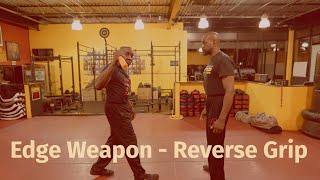
The practitioner demonstrates the foundational palm-up deflection technique applied against strikes from multiple angles. By positioning the palm upward against the opponent's striking arm, the defender creates an immediate control point that prevents the attacker from withdrawing the weapon.
Body Mechanics and Space Control
Proper body alignment and positioning are essential to maintaining safety and control during the deflection. The defender must ensure adequate distance closure so the opponent lacks sufficient space to retract their striking arm, establishing complete positional dominance before executing a counter.
Disarm and Counter-Strike Sequence
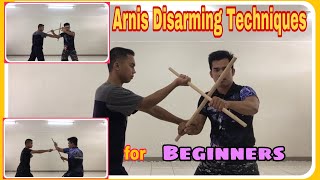
Once the opponent's weapon arm is secured through the deflection, the practitioner executes a rapid disarming motion followed immediately by a counter-strike. This two-part technique—disarm then punch—creates an efficient offensive transition with minimal wasted motion.
Weight Transfer and Footwork Integration
The Standard Defensa incorporates dynamic weight shifts and stepping mechanics to adjust distance and defensive angles. By initiating with forward body weight then transitioning backward during the deflection, the defender optimizes leverage while evading potential secondary attacks.
Multi-Directional Strike Responses
The technique remains effective against strikes from all four primary angles and planes of attack. Whether the opponent strikes high, low, or at intermediate angles, the same palm-up deflection principle applies, demonstrating the versatility of proper body mechanics and positioning.
Situational Adaptability in Combat
The Standard Defensa functions as a situational response system rather than a single fixed technique. Practitioners who master the underlying principles can seamlessly adapt their responses to any weapon attack, whether strikes, thrusts, or attempted disarms.
Mutual Disarm Prevention
When both practitioners attempt simultaneous disarms, superior body mechanics and control determine the outcome. By maintaining dominant positioning and understanding the timing of weapon retention versus release, the skilled practitioner can prevent the opponent's disarm while executing their own.
Fundamental Principle: Controlled Strikes
The core philosophy of Standard Defensa emphasizes that any incoming strike can be countered through proper technique, regardless of angle or intensity. Mastery of this system requires deep understanding of the craft, allowing practitioners to instinctively disarm and counter-attack in all combat scenarios.
Filipino Martial Arts Counters & Disarms
Key Takeaways
- •Palm-Up Defense Against Strikes
- •Body Mechanics and Space Control
- •Disarm and Counter-Strike Sequence
- •Weight Transfer and Footwork Integration
Learn More About The Filipino Martial Art Pintados: https://budobrothers.tv/pages/pintados The best defense is offense when it comes to Filipino Martial Arts. GM Oliver explores how to counter-disarm and even takedown your opponent. These concepts are from his online course "Pintados" that he has put together with us. For more videos like this, we have put together an online course with GM Oliver Pintados learn more about it here: https://budobrothers.tv/pages/pintados For training gear visit our store: https://www.budobrothers.com/collections/kali-serrada
Frequently Asked Questions
What does this video teach about standard defensa?
This video covers palm-up defense against strikes, body mechanics and space control, disarm and counter-strike sequence. It provides detailed instruction from Budo Brothers.
How long does it take to learn standard defensa?
The basic mechanics can be understood in a single session, but developing reliable execution requires consistent drilling over weeks of practice. This 8-part breakdown helps structure your training by isolating each phase of the technique.
What are the key details for finishing standard defensa?
When both practitioners attempt simultaneous disarms, superior body mechanics and control determine the outcome. By maintaining dominant positioning and understanding the timing of weapon retention versus release, the skilled practitioner can prevent the opponent's disarm while executing their own.