Foundational Movement: Toe-Based Stepping
The pendulum step defense begins with proper footwork mechanics. Boxer One initiates movement by stepping forward on the toes rather than flat feet, maintaining the ability to retreat immediately. This toe-based positioning is critical for the mobility required in the pendulum defense.
Two-Boxer Drill Setup
Boxer One steps and throws open palm punches while maintaining toe-contact with the ground. Boxer Two must maintain long-range distance—approximately two arm's lengths—to execute proper defensive movements. At middle distance, the defender lacks sufficient time and space to effectively slip incoming strikes.
Pendulum Rhythm: Step and Punch Timing
The defense operates on a one-two rhythm: step first, then punch. The stepping motion creates forward momentum without committing weight to the heel. This rhythmic pattern allows the defender to reset position while remaining threatening.
Shoulder Sway Mechanics
Rather than footwork, the primary defensive movement involves lateral shoulder displacement combined with a small jump to the side. The defender sways shoulders while keeping weight on the toes, allowing the incoming punch to pass harmlessly while maintaining a charged offensive position. The torso follows a forward-back-forward-back oscillation independent of leg movement.
Counterattack Positioning
After the sway, the defender's arm remains charged and positioned to exploit the opening. The opponent's extended arm creates a triangle vulnerability at the elbow, providing a clear target for the counter. No body rotation occurs—only shoulder and head movement.
Defense Without Footwork Retreat
Boxer Two protects the chin with raised guard while the attacker delivers consecutive punches. The defender must avoid retreating with the feet, as this creates timing delays and removes offensive options. Instead, pure shoulder tilting and head movement execute the slip.
Shoulder Drop and Head Follow
The movement begins with a deliberate shoulder drop; the head naturally follows this upper body displacement. The defender maintains fists in position without rotating the torso, keeping shoulders level and preventing unnecessary body rotation that telegraphs movement.
Sway-Straight Integration
After swaying laterally, the defender returns to vertical posture before executing a straight punch. Once shoulder rotation completes the sway, the defender straightens the spine and throws directly from this reset position. Movement must remain dynamic—never static—continuing forward and backward oscillation.
Range Management and Counter Execution
The defender must avoid jumping forward unnecessarily, as proper pendulum range already positions them at middle distance or closer. Once the slip is executed, the defender occupies the correct distance to land the counter without additional adjustment. Continuous rhythmic movement eliminates the need for dramatic range corrections.
Weaving with Shoulder Block Security
Advanced application incorporates a shoulder block for additional defensive coverage during the weaving motion. This variation provides extra security while maintaining the core pendulum mechanics of lateral sway and counter-striking. The shoulder block supplements rather than replaces the primary slip movement.
Boxing: How to Slip Punches in Pendulum
Key Takeaways
- •Foundational Movement: Toe-Based Stepping
- •Two-Boxer Drill Setup
- •Pendulum Rhythm: Step and Punch Timing
- •Shoulder Sway Mechanics
This video demonstrates the technical practice of slipping punches using the pendulum shuttle at long distance. It breaks down the correct biomechanics of the movement: shifting the torso through shoulder rotation without dropping onto the heels, maintaining balance while stepping, and delivering a hard counter overhand punch during the shoulder roll. Course: Punches in Motion Punches in Motion is a professional training course focused on mastering the art of boxing footwork and striking mechanics. Learn how to generate maximum power through seamless movement, maintain perfect balance, and dominate the ring using technical shifting, angles, and the advanced Soviet pendulum step. The course consists of six comprehensive lessons, each approximately one hour long. patreon.com/collection/2220114?view=expanded
Frequently Asked Questions
What does this video teach about pendulum step defence?
This video covers foundational movement: toe-based stepping, two-boxer drill setup, pendulum rhythm: step and punch timing. It provides detailed instruction from Russian School of Boxing.
How long does it take to learn pendulum step defence?
The basic mechanics can be understood in a single session, but developing reliable execution requires consistent drilling over weeks of practice. This 10-part breakdown helps structure your training by isolating each phase of the technique.
What are the key details for finishing pendulum step defence?
The defender must avoid jumping forward unnecessarily, as proper pendulum range already positions them at middle distance or closer. Once the slip is executed, the defender occupies the correct distance to land the counter without additional adjustment. Continuous rhythmic movement eliminates the need for dramatic range corrections.
Related videos

Keep the Pendulum Rhythm Throughout the Round
Russian School of Boxing

Basics: Soviet Pendulum Step🥊#BoxenLernen#Boxtraining #BoxenFürAnfänger #FitDurchBoxen#MentaleStärke
jaso.boxing
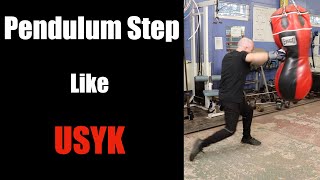
Boxing Drills to Build a Pendulum Step Worthy of Oleksandr Usyk
MyBoxingCoach
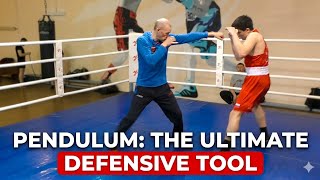
Boxing: Pendulum as a Defence Against an Aggressive Opponent
Russian School of Boxing
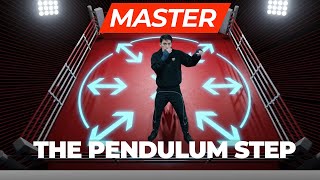
Boxing Footwork 101: The Pendulum Step
MIRI BOXING